
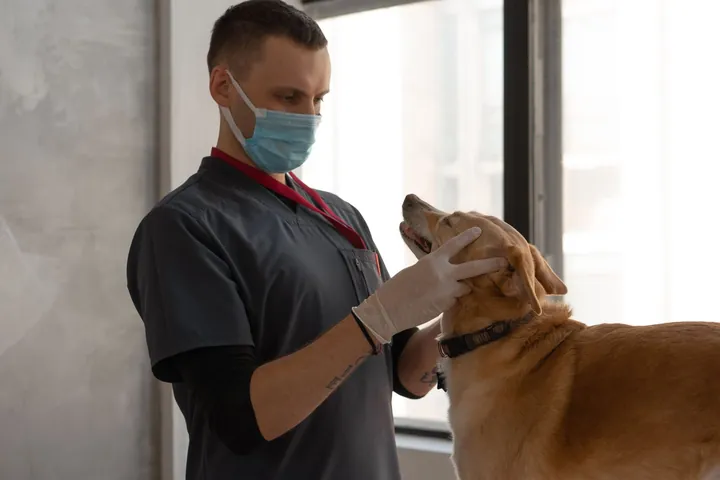
Elevated Liver Enzymes in Dogs: What Do ALP and ALT Mean?
Top 3 Takeaways
Introduction
Your veterinarian calls after routine bloodwork and says your dog’s liver enzymes are elevated. The report may show a mildly increased ALT, a markedly high ALP, or several abnormal values at the same time. It is understandable to hear the word liver and worry about liver failure. The key distinction is that liver enzymes usually reflect cell injury, enzyme production, or changes in bile flow. They do not directly measure how much useful work the liver can still perform. A single number also cannot identify the cause. Veterinarians interpret the full pattern, including how high each value is relative to that laboratory’s range, whether it is rising or falling, whether your dog feels well, and whether bilirubin, albumin, glucose, cholesterol, blood-clotting values, urine, or imaging are abnormal. This article explains the most common liver-related values, why Cushing’s disease and gallbladder disease can raise them, what follow-up tests answer, and when a laboratory finding becomes urgent.
When Are Elevated Liver Enzymes Urgent?
The number alone does not determine urgency. A dog with a substantial enzyme increase may still be bright, eating, and stable, while a dog with only limited enzyme information may be seriously ill because of toxin exposure, obstruction, bleeding, infection, or acute liver failure. Contact a veterinarian promptly if your dog has reduced appetite, vomiting, diarrhea, weight loss, increased thirst or urination, unusual panting, weakness, abdominal discomfort, or a clear change from baseline. Seek immediate care for collapse, repeated vomiting with inability to keep water down, marked weakness, seizures, disorientation, head pressing, black tarry stool, uncontrolled bleeding, yellow discoloration of the gums or whites of the eyes, or a rapidly enlarging or painful abdomen. A possible exposure to xylitol, sago palm, wild mushrooms, human medication, or another toxin is also an emergency. Do not wait for a scheduled recheck when your dog is clinically deteriorating.
What Do ALT, ALP, AST, GGT, and Bilirubin Measure?
A chemistry panel contains several values that are discussed together but answer different questions. ALT, or alanine aminotransferase, is concentrated in canine liver cells and commonly rises when those cells are injured and leak enzyme into the bloodstream. It is sensitive to injury but does not reveal the cause, the exact amount of irreversible damage, or the dog’s prognosis. ALP, or alkaline phosphatase, is less specific. It can rise with impaired bile flow, corticosteroid exposure, hyperadrenocorticism, some anticonvulsants, and normal bone growth in puppies. AST can come from liver or muscle, so it is interpreted with other results. GGT can support concern about bile ducts or cholestasis, which means reduced bile flow. Bilirubin is a pigment processed and excreted through the liver and biliary system. A high bilirubin, especially with jaundice, carries different significance from an isolated enzyme increase.
Values associated with function include albumin, glucose, cholesterol, urea, clotting tests, bile acids, and ammonia in selected cases. Even these require context. For example, albumin can fall because of intestinal or kidney loss, and abnormal bile acids can occur with reduced functional mass, abnormal blood vessels, or impaired bile flow. The veterinarian therefore avoids labeling one enzyme as a complete liver-function test.
Why Can ALP Be Much Higher Than ALT?
A high ALP with a smaller ALT increase is common in dogs. Cortisol can induce a canine-specific ALP isoenzyme, which is one reason Cushing’s disease may produce a striking ALP elevation. Steroid medication can have a similar effect, including oral, injectable, topical, ear, or eye products in some patients. Cholestasis from gallbladder or bile-duct disease can also raise ALP, as can liver changes associated with diabetes, pancreatitis, systemic illness, or certain drugs. Young dogs can have a higher ALP because their bones are growing. These possibilities do not make ALP unimportant. They explain why the value must be linked to age, symptoms, medication exposure, endocrine signs, bilirubin, GGT, cholesterol, urine concentration, and imaging before conclusions are drawn.
For a focused explanation of hormonal signs and testing, see the companion article, Cushing’s Disease in Dogs: Common Signs, Tests, and Monitoring.
What Can Cause Elevated Liver Enzymes in Dogs?
Causes range from temporary and reversible to chronic or urgent. Liver-cell injury may follow toxin exposure, reduced blood flow, infection, inflammation, a medication effect, trauma, immune-mediated disease, or copper accumulation. Cholestatic patterns may occur with gallbladder sludge, gallbladder mucocele, pancreatitis near the common bile duct, inflammation of the biliary system, or obstruction. Endocrine conditions such as Cushing’s disease and diabetes can create secondary liver changes. Benign nodular hyperplasia and vacuolar hepatopathy occur in some older dogs. Primary or metastatic tumors are another possibility, but elevated enzymes do not automatically mean cancer.
The history guides the next step. Tell the veterinarian about every prescription, supplement, chew, topical product, diet change, mushroom exposure, household chemical, and human medication your dog could access. Also report appetite, thirst, urination, panting, stool color, vomiting, weight trend, skin or coat change, and any previous laboratory values. A trend across months is often more informative than one isolated panel.
What Tests May Be Recommended Next?
The plan is staged. A stable dog with a mild new increase may have repeat chemistry testing after an appropriate interval, while a symptomatic dog or a dog with persistent or progressive changes may need a broader evaluation immediately. A complete blood count can identify anemia, inflammation, infection clues, and platelet changes. Urinalysis adds information about urine concentration, infection, protein, bilirubin, glucose, and kidney function. Depending on the pattern, the veterinarian may recommend coagulation tests, bile acids, endocrine testing, infectious-disease testing, pancreatic testing, or blood pressure.
Bliss Animal Hospital provides blood testing in Lake Forest and can compare results with prior trends when those records are available.
What can abdominal ultrasound show?
Ultrasound evaluates liver size, texture, nodules or masses, gallbladder contents and wall, bile ducts, pancreas, spleen, kidneys, adrenal glands, lymph nodes, and abdominal fluid. It can identify patterns that make gallbladder disease, endocrine hepatopathy, obstruction, inflammation, or a focal lesion more likely. It also helps select a safe sampling target. Ultrasound cannot prove the microscopic diagnosis of chronic hepatitis or reliably characterize every nodule. A normal ultrasound does not exclude early or microscopic liver disease.
Learn more about diagnostic imaging and in-house laboratory testing at Bliss Animal Hospital.
When are cytology or liver biopsy discussed?
Fine-needle aspiration collects cells and can be useful for selected masses, infections, or infiltrative diseases, but it does not preserve liver architecture. A biopsy collects tissue for histopathology and may be necessary to diagnose chronic hepatitis, assess fibrosis, identify copper accumulation, or distinguish conditions that require different treatment. Sampling has anesthetic and bleeding considerations, so clotting status, imaging findings, patient stability, and referral options are reviewed first. The decision is based on whether tissue results are likely to change treatment or prognosis.
How Is a Dog With Chronic Liver Disease Monitored?
Monitoring is built around the diagnosed or suspected condition rather than one universal schedule. The veterinarian may track appetite, weight, muscle condition, thirst, urination, vomiting, stool, abdominal size, neurologic behavior, medication tolerance, chemistry values, bilirubin, albumin, glucose, cholesterol, blood counts, urine, and clotting results. Ultrasound may be repeated when a gallbladder lesion, nodule, or organ-size change needs comparison. A treatment plan may include a prescription diet, liver-directed medication, treatment of an endocrine or infectious cause, copper reduction, immunomodulatory therapy, or surgery. Supplements are not automatically appropriate for every pattern and should not delay diagnosis.
Keep a simple written log. Record medication times, missed doses, food intake, vomiting, stool color, water consumption if measurable, body weight, and visible changes such as yellow tissues or abdominal enlargement. Contact the prescribing team before stopping long-term medication, but treat collapse, seizures, severe weakness, or uncontrolled vomiting as emergencies rather than waiting for a callback.
Elevated Liver Enzyme Decision Table
| What you notice | What it may mean | What to do |
| Mild isolated increase; dog feels normal | Transient change, medication effect, early disease, or normal variation may be possible | Follow the veterinarian’s repeat-testing and medication-review plan. |
| Persistent or rising ALT/ALP; dog still stable | Ongoing liver, biliary, endocrine, medication-related, or systemic process | Schedule a diagnostic workup rather than repeating indefinitely without a plan. |
| Increased thirst, urination, appetite, panting, pot belly, skin or hair changes | Cushing’s disease or another endocrine condition may be contributing | Arrange examination, minimum database, and endocrine testing when clinically appropriate. |
| Vomiting, poor appetite, weight loss, jaundice, abdominal pain | Clinically significant liver or gallbladder disease, obstruction, inflammation, or another illness | Call the same day for triage and testing. |
| Collapse, seizures, severe weakness, uncontrolled bleeding, black stool, painful swollen abdomen | Acute liver failure, bleeding, rupture, obstruction, shock, or another emergency | Go to an emergency veterinary hospital now. |
How Should You Prepare for a Liver Follow-Up Appointment?
Bring the complete laboratory report rather than only the flagged values. Reference ranges differ among laboratories, and the relationship among ALT, ALP, GGT, bilirubin, albumin, glucose, cholesterol, blood counts, and urine findings is important. Gather older results from other hospitals so the veterinarian can see whether the change is new, stable, fluctuating, or progressive. Write down every medication and supplement, including strength, frequency, start date, topical products, ear or eye medication, preventives, chews, and human products your dog could reach. If a drug was recently stopped, include the date and reason. Do not omit a product because it seems unrelated.
Create a brief symptom timeline. Note appetite, vomiting, diarrhea, stool color, thirst, urination, panting, energy, weight, abdominal shape, skin or coat changes, and any episode of disorientation or weakness. Bring photographs of yellow discoloration, abdominal enlargement, abnormal stool, or medication labels when they clarify the history. Ask whether your dog should be fasted for the planned test and whether regular medications should be given that morning. Instructions differ by test, and changing the routine without guidance can affect safety or interpretation.
What Can You Do Safely at Home While Waiting for Results?
Keep food, water, medications, and activity consistent unless the veterinary team recommends a change. Do not restrict water because your dog is urinating more. Avoid adding liver supplements, herbal products, high-dose vitamins, or a homemade “detox” diet before the cause is clearer. Products marketed for liver support vary in formulation and can interfere with other treatment or create false reassurance. Never give acetaminophen, ibuprofen, naproxen, or another human pain reliever unless a veterinarian has specifically prescribed an appropriate product for this dog.
Monitor for a change from stable to ill. A dog who was comfortable at the appointment but begins vomiting repeatedly, refuses food, becomes markedly weak, develops jaundice, strains to breathe, has black stool, shows unusual bleeding, or acts confused should be reassessed promptly. If a toxin exposure is possible, contact a veterinarian or animal poison service immediately and bring the product container. Waiting for a scheduled repeat panel is appropriate only while the dog remains clinically stable and the veterinarian has provided that plan.
Frequently Asked Questions
Does a high ALT mean my dog has liver failure?
No. ALT usually indicates liver-cell injury, not the amount of functioning liver remaining. Your veterinarian interprets ALT with symptoms, trends, bilirubin, albumin, glucose, urine, imaging, and other tests.
Can Cushing’s disease raise ALP?
Yes. Excess cortisol can induce a canine ALP isoenzyme and may also cause vacuolar liver change. A high ALP alone does not diagnose Cushing’s; clinical signs and appropriate endocrine testing are required.
Can medication raise liver enzymes?
Yes. Corticosteroids, some anticonvulsants, and other drugs can alter liver values. Provide every prescription, topical product, supplement, and dose. Do not stop a necessary medication without veterinary guidance unless emergency instructions say otherwise.
Will an ultrasound diagnose chronic hepatitis?
Not by itself. Ultrasound can identify organ and gallbladder changes, focal lesions, obstruction, and sampling targets, but chronic hepatitis is a microscopic diagnosis that may require a properly obtained biopsy.
Should I change my dog’s food immediately?
Do not make a major diet change based only on one enzyme result. The appropriate diet depends on the diagnosis, body condition, copper concern, other diseases, and whether your dog is eating reliably.
Conclusion
Elevated liver enzymes should be interpreted as a clue that needs context. The safest plan joins the laboratory pattern with your dog’s symptoms, medication history, physical examination, repeat trends, urine findings, and targeted imaging. Some dogs need only a scheduled recheck; others need bile-acid testing, ultrasound, endocrine testing, specialist consultation, or liver tissue sampling.
If your dog needs evaluation, request an appointment with Bliss Animal Hospital in Lake Forest or call (949) 354-5201. For collapse, severe weakness, uncontrolled vomiting, yellow gums or eyes with illness, or a painful swollen abdomen, seek immediate veterinary care.
Dog Blood Testing and Diagnostic Services in Orange County, CA
Bliss Animal Hospital is located in Lake Forest and serves dogs and their families across South Orange County, CA.
About Bliss Animal Hospital
Our team, led by Dr. Nayara Pataro and Dr. Sam Amirshahi, is dedicated to providing compassionate, top-rated care right here in South Orange County. With a strong emphasis on relationships and personalized veterinary care, we’re here to support you and your pet’s health and happiness. If you’re looking for convenient, high-quality care nearby, check out our veterinarian services in Lake Forest, CA and surrounding areas like Veterinarian near Mission Viejo, CA, Irvine, CA Veterinarian (Great Park and Portola Springs) and vet near Rancho Santa Margarita, CA.


















Leave A Comment