

Why Is My Dog Coughing at Night? Causes, Warning Signs, and Veterinary Testing
Top 3 Takeaways
Introduction
Your dog settles down for the night, then begins coughing, hacking, or making a honking sound. The episode may stop quickly, recur after sleep, or end with a gag that makes you wonder whether something is stuck. Nighttime coughing can become more noticeable because the house is quiet and the dog is resting, but it may also be influenced by airway secretions, body position, heart or lung changes, or irritation that becomes apparent after activity. The important point is that timing alone cannot identify the cause. A dry cough can occur with infectious tracheobronchitis, tracheal collapse, chronic bronchitis, or airway irritation. A dog with heart disease may cough or breathe faster, while pneumonia and other lung disease may cause lethargy, fever, reduced appetite, or increased breathing effort. This guide explains how to describe the cough, which warning signs change the urgency, what a veterinarian may check, and when chest X-rays or specialty evaluation may be appropriate.
When Is a Dog’s Cough an Emergency?
The first decision is whether your dog is moving air comfortably. Go to an emergency veterinary hospital for open-mouth breathing at rest, obvious abdominal effort, blue or gray gums, collapse, severe weakness, inability to settle, a rapidly worsening breathing pattern, or coughing up blood. A dog that seems to be choking, cannot swallow, or paws frantically at the mouth also needs immediate attention. Do not delay departure to record a long video, count every breath, or give leftover medication. Keep handling and excitement low. If breathing is comfortable but the cough is frequent, interrupts sleep, follows boarding or daycare exposure, or occurs with nasal discharge, poor appetite, fever, or reduced stamina, call for same-day guidance. A single brief cough in a bright dog may be monitored, but recurrence should move the problem into the examination category.
| What you notice | What it may mean | What to do |
| Blue/gray gums, collapse, severe effort, or inability to rest | Respiratory or cardiovascular compromise | Go to an emergency veterinary hospital now. |
| Frequent cough plus lethargy, fever, poor appetite, or fast breathing | Pneumonia, significant infection, or another systemic problem | Call for same-day veterinary assessment. |
| Honking or dry cough, dog comfortable between episodes | Upper-airway irritation, kennel cough, or tracheal disease are possibilities | Arrange an exam soon, especially if persistent or worsening. |
| One brief episode with normal breathing and behavior | Transient irritation is possible | Monitor closely and record a short video if it recurs. |
What Does the Sound and Timing of the Cough Tell Us?
Owners can provide information that is difficult to reproduce in an examination room. Note whether the cough is dry, moist, harsh, honking, soft, or followed by gagging. Record when it occurs: after waking, during excitement, after pulling on a collar, while drinking, after exercise, or throughout the night. Also note recent boarding, daycare, grooming, travel, smoke or aerosol exposure, medication changes, heartworm prevention, vaccination status, and any history of a heart murmur. These details help localize the problem but do not prove a diagnosis. A goose-honk quality can occur with tracheal irritation or collapse, yet infectious tracheobronchitis can sound similar. A moist cough may raise concern for secretions or pneumonia, but owners cannot reliably determine whether a cough is productive because dogs often swallow material. A cough after rest occurs in chronic bronchitis and other conditions. Bring a video with sound when recording is safe.
What Are Common Causes of Nighttime Coughing in Dogs?
Canine infectious respiratory disease, often called kennel cough
Canine infectious respiratory disease complex involves contagious viral and bacterial agents, especially where dogs share airspace in boarding, daycare, grooming, shelters, parks, or training classes. Many dogs remain bright and develop a sudden dry hacking cough, sometimes with sneezing or nasal discharge. Puppies, seniors, brachycephalic dogs, and dogs with underlying disease may become more ill. A label of kennel cough should not be used automatically when a dog has difficulty breathing, marked lethargy, fever, poor appetite, or an unusually prolonged course. Those findings can change the testing and treatment plan. Vaccination can reduce risk and severity for selected pathogens, but it does not prevent every respiratory infection.
Tracheal collapse or upper-airway irritation
Tracheal collapse occurs when the windpipe loses structural rigidity and narrows during breathing. It is recognized more often in small-breed dogs and may cause a dry honking cough triggered by excitement, pulling, heat, drinking, or pressure on the neck. Other upper-airway or laryngeal disorders can create noisy breathing, gagging, altered bark, or exercise intolerance. A cough sound alone cannot confirm tracheal collapse. Neck and chest imaging, dynamic fluoroscopy in selected cases, airway examination, and evaluation for concurrent heart or lung disease may be needed. A harness may reduce direct pressure on the neck, but equipment changes do not replace diagnosis when signs are frequent or progressive.
Chronic bronchitis and lower-airway disease
Chronic bronchitis is long-standing inflammation of the bronchi. Veterinarians consider it after other causes of a persistent cough have been evaluated. The cough may be worse after rest, with environmental change, or at the beginning of exercise. Chest X-rays can show a bronchial pattern, but imaging findings and the patient’s history must be interpreted together. Some dogs require airway sampling, bronchoscopy, or referral when the cough is prolonged or treatment does not work as expected. Smoke, fragrances, aerosols, dust, and chemical fumes can aggravate sensitive airways. Removing irritants is helpful, but it should support rather than replace the medical plan.
Heart disease and fluid-related breathing problems
Heart disease is an important differential, particularly in older small-breed dogs or a dog with a known murmur. Coughing is not the same as congestive heart failure, and many dogs with murmurs cough for unrelated airway reasons. The veterinarian listens for a murmur or rhythm abnormality, evaluates pulses and breathing, and reviews sleeping respiratory rate and exercise tolerance. Chest X-rays can assess heart size and look for patterns of pulmonary edema. An echocardiogram, which is an ultrasound of the heart, may be recommended when structural heart disease is suspected. Do not start, stop, or increase heart medication based only on a cough.
Pneumonia, parasites, masses, and other causes
Pneumonia may follow aspiration, infection, immune suppression, or another illness and often produces systemic signs such as fever, lethargy, poor appetite, rapid breathing, or increased effort. Heartworm disease, lungworms, fungal disease, masses, foreign material, and pulmonary thromboembolism are less common but important possibilities in the right patient. Geography, travel, prevention history, age, immune status, and imaging findings shape which tests are reasonable. In Southern California, the veterinarian may also consider regional fungal exposure when history and imaging support it. Broad testing is not needed for every brief cough, but persistent or complicated disease requires a deliberate diagnostic plan.
How Does a Veterinarian Evaluate a Chronic or Nighttime Cough?
Evaluation begins with localization. The veterinarian reviews the cough video and timeline, recent dog-to-dog exposure, vaccination and parasite prevention, medications, appetite, energy, weight, and breathing at rest. The physical examination includes temperature, gum color, hydration, heart rate and rhythm, lung sounds, upper-airway noise, lymph nodes, and gentle assessment of the neck and trachea when appropriate. Chest radiographs are commonly recommended for persistent cough or lower-respiratory signs because they can show bronchial, interstitial, or alveolar patterns, heart enlargement, masses, pleural fluid, and other changes. Depending on findings, additional testing may include CBC and chemistry, heartworm testing, respiratory PCR, pulse oximetry, cardiac biomarker testing, echocardiography, airway wash for cytology and culture, bronchoscopy, CT, or specialist referral. One negative test does not answer every respiratory question, and response to antibiotics alone should not be treated as definitive proof of a bacterial cause.
What Can You Do at Home Before the Appointment?
Keep activity calm and avoid smoke, vaping, aerosol cleaners, perfume, diffusers, and dusty environments. Use a harness rather than a neck collar if pulling triggers coughing, provided your dog can be moved comfortably. Separate a coughing dog from other dogs until your veterinarian advises that contact is reasonable, especially after boarding or daycare exposure. Record a short video and write down the number, duration, and triggers of episodes. Count the sleeping respiratory rate only when your dog is fully asleep and breathing comfortably; record the trend rather than relying on one excited count. Do not give human cough medicine, leftover antibiotics, steroids, or another pet’s medication. If breathing effort increases or your dog becomes weak, stop monitoring at home and seek urgent care.
Frequently Asked Questions
Why does my dog cough more after lying down?
Rest can make airway secretions or irritation more noticeable, and body position may influence some heart or lung conditions. The pattern is useful history, but an examination and often chest imaging are needed to identify the cause.
Is every honking cough tracheal collapse?
No. Tracheal collapse can produce a goose-honk cough, but kennel cough, airway irritation, and other conditions can sound similar. Diagnosis depends on the patient, examination, imaging, and sometimes dynamic airway testing.
Can allergies make a dog cough?
Environmental irritation or allergic airway disease can contribute, but coughing in dogs should not automatically be labeled allergies. Infection, tracheal disease, bronchitis, heart disease, parasites, and pneumonia may need to be excluded.
When should a cough get chest X-rays?
Chest X-rays are commonly considered when coughing persists, recurs, is accompanied by rapid or difficult breathing, or occurs in a dog with systemic signs, a heart murmur, abnormal lung sounds, or treatment failure.
Should I isolate my coughing dog?
Yes, until you receive veterinary guidance when contagious respiratory disease is possible. Avoid daycare, boarding, dog parks, shared bowls, and close contact with vulnerable dogs while the cause and recovery are being assessed.
Conclusion
A nighttime cough should be judged by breathing comfort, persistence, and the dog’s overall condition, not by sound alone. A stable dog with a recurring cough needs a timely examination; a dog with breathing effort, blue or gray gums, collapse, or severe weakness needs emergency care. If your dog is breathing comfortably but continues to cough, request an appointment with Bliss Animal Hospital in Lake Forest or call (949) 354-5201. We can examine your dog and discuss whether chest X-rays, laboratory testing, cardiac evaluation, or referral is appropriate.
Related reading: Reverse Sneezing in Dogs: Harmless Reflex or Sign of a Nasal Problem?
Dog Cough and Respiratory Care in Orange County, CA
Bliss Animal Hospital is located in Lake Forest and serves dog owners across South Orange County. Use the page most relevant to your family:
About Bliss Animal Hospital
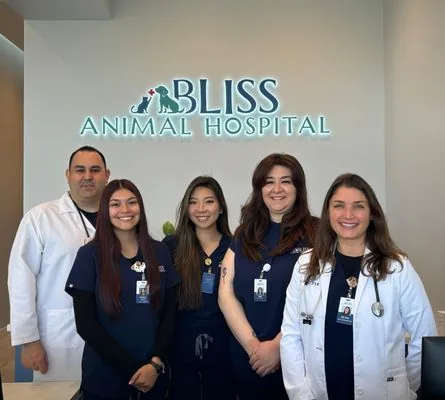
Our team, led by Dr. Nayara Pataro and Dr. Sam Amirshahi, is dedicated to providing compassionate, top-rated care right here in South Orange County. With a strong emphasis on relationships and personalized veterinary care, we’re here to support you and your pet’s health and happiness. If you’re looking for convenient, high-quality care nearby, check out our veterinarian services in Lake Forest, CA and surrounding areas like Veterinarian near Mission Viejo, CA, Irvine, CA Veterinarian (Great Park and Portola Springs) and vet near Rancho Santa Margarita, CA.



















Leave A Comment