
Why Does My Cat Have Bad Breath? Causes, Warning Signs, and When to See a Veterinarian
Top 3 Takeaways
Your cat yawns near you, and suddenly you notice a strong, unpleasant smell. Maybe the odor is new, or perhaps it has gradually become more noticeable. Either way, you may wonder: Why does my cat have bad breath, and is it something that needs veterinary attention?
Occasional food odor can briefly affect a cat’s breath, but persistent bad breath, medically called halitosis, is usually not just a cosmetic issue. In many cats, it is one of the first signs an owner notices when plaque, gum inflammation, periodontal disease, a damaged tooth, or another oral problem has developed. Less commonly, a significant change in breath can accompany a medical condition elsewhere in the body.
Cats are also skilled at concealing discomfort. A cat with a painful tooth may continue eating, using the litter box, and interacting normally. That means bad breath may be the only early clue that something inside the mouth deserves a closer look.
This guide explains what may cause bad breath in cats, what you can safely observe at home, what a veterinarian checks during a dental exam, and how to decide whether your cat needs a routine appointment, a same-day evaluation, or immediate emergency care.
Is Bad Breath Normal in Cats?
A cat’s mouth will not smell minty, but it should not produce a consistently foul, rotten, metallic, or unusually sweet odor. Breath that smells briefly like wet food after a meal is different from an odor that remains throughout the day or becomes progressively stronger.
Persistent halitosis usually develops when bacteria and organic material accumulate in the mouth. Plaque, a soft bacterial film, forms on the teeth. If it is not removed, minerals in the saliva can harden the plaque into tartar, also called dental calculus. Tartar creates a rough surface where additional plaque can collect, particularly along the gumline.
The visible tartar is only part of the concern. Bacteria can extend under the gumline, where they cause inflammation and damage tissues that support the teeth. Disease below the gumline may be painful even when the visible crowns of the teeth do not look severely affected.
The American Veterinary Medical Association recommends that pets’ teeth and gums be checked at least annually and sooner when owners notice bad breath, tartar, abnormal chewing, drooling, bleeding, swelling, or appetite changes.
What Causes Bad Breath in Cats?
Bad breath is a symptom rather than a diagnosis. A veterinarian needs to examine your cat to determine the underlying cause, but the following conditions are among the most important possibilities.
Plaque, tartar, and gingivitis
Gingivitis is inflammation of the gums, often triggered by plaque bacteria at the gumline. The gums may look redder, puffier, or more sensitive than usual. They may also bleed when touched or when your cat chews.
Early gingivitis may be reversible when plaque and tartar are professionally removed and an effective home-care program follows. However, tartar cannot be brushed away once it has hardened. Starting toothbrushing without addressing existing inflammation can also be uncomfortable for the cat.
Bad breath associated with visible tartar or red gums is a reason to arrange a dental evaluation rather than simply trying to cover the smell with treats or water additives.
Periodontal disease
Periodontal disease develops when inflammation progresses beneath the gumline and damages the structures supporting the teeth. These structures include the periodontal ligament and the bone surrounding the tooth roots.
As the disease advances, pockets may form around the teeth. Bacteria, food material, and inflammatory debris can collect in these spaces, creating a strong odor. Teeth may become loose, and infection or bone loss may develop even when the problem is not obvious during a quick look at home.
Gingivitis affects the gums and may be reversible. Periodontitis involves permanent loss of tooth-supporting tissue and requires treatment to control pain and continued damage. Because much of this disease is hidden, dental probing and intraoral radiographs are often necessary for accurate assessment.
Tooth resorption
Feline tooth resorption is a painful condition in which part of a tooth’s structure begins to break down. It may begin near or below the gumline, making it difficult for an owner to see. Some lesions eventually appear as small pink or red defects where gum tissue grows over the damaged tooth.
A cat with tooth resorption may chatter the jaw, jerk away from food, chew on one side, drop kibble, prefer softer food, or show no clear behavioral change at all. Dental X-rays are necessary to determine the extent and type of resorption and to plan appropriate treatment.
Feline chronic gingivostomatitis
Feline chronic gingivostomatitis, often shortened to FCGS or stomatitis, is severe and painful inflammation that extends beyond the gums into the tissues of the mouth, frequently toward the back of the oral cavity.
Cats with this condition may develop very strong breath, heavy drooling, difficulty eating, poor grooming, weight loss, mouth sensitivity, or withdrawal from normal social behavior. The inflammation may look disproportionately severe compared with the amount of visible tartar.
FCGS is an immune-mediated and complex condition. It should not be treated as a simple breath problem, and antibiotics alone generally do not provide definitive long-term control. A comprehensive oral assessment and an individualized treatment plan are needed. In some cases, referral to a board-certified veterinary dentist is appropriate.
A broken, infected, or abscessed tooth
A fractured tooth may expose its sensitive inner tissue, called the pulp. Bacteria can enter the tooth and lead to infection around the root. Other teeth may become infected because of advanced periodontal disease.
Possible signs include sudden bad breath, facial swelling, reluctance to eat, mouth pain, drooling, or bleeding. However, a cat may continue eating despite substantial discomfort. An infected tooth cannot be accurately assessed by smell alone. Dental radiographs help the veterinarian evaluate the root and surrounding bone.
Something caught in the mouth
String, plant material, hair, bone fragments, or other foreign material can occasionally become trapped between teeth, under the tongue, or around the gums. This may cause inflammation, infection, drooling, pawing at the mouth, or a sudden odor.
Do not pull string from your cat’s mouth. String may be anchored under the tongue or extend into the gastrointestinal tract, and pulling it can cause serious injury. Contact a veterinarian for instructions.
Oral growths, ulcers, or trauma
Ulcers, injured tissue, and oral masses can develop odor when they become inflamed, infected, or damaged. You may notice bleeding, a change in the shape of the face or jaw, difficulty swallowing, reduced appetite, or a growth inside the mouth.
Not every oral mass is cancerous, but any unexplained lump, persistent ulcer, or area of bleeding should be evaluated promptly. Your veterinarian may recommend imaging, sampling, or biopsy depending on the examination findings.
Medical conditions outside the mouth
Most cases of cat bad breath originate in the mouth, but an unusual odor can occasionally accompany a systemic illness. Kidney disease may be associated with an ammonia-like or chemical odor, particularly when the disease is advanced. Diabetes can sometimes produce a sweet or fruity odor, especially during a dangerous complication called diabetic ketoacidosis. Severe gastrointestinal or metabolic illness may also alter the breath.
Breath odor alone cannot diagnose any of these conditions. If bad breath accompanies increased thirst, increased urination, vomiting, weight loss, weakness, dehydration, or major appetite changes, the veterinarian may recommend bloodwork and urinalysis in addition to the oral exam.
What Can I Safely Observe at Home?
Your goal at home is not to diagnose or deeply examine the mouth. Instead, observe changes during normal activities such as eating, grooming, yawning, and playing.
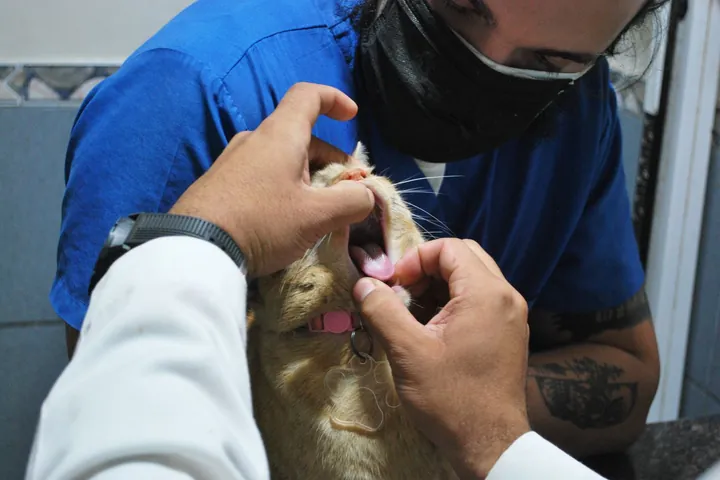
Choose a calm time and avoid forcing your cat’s mouth open. If your cat is comfortable, you may gently lift the lip for a brief look at the outer surfaces of the teeth and gums. Stop if your cat pulls away, becomes tense, vocalizes, growls, or attempts to bite. A painful cat may react unexpectedly.
Look and listen for:
Do not assume that normal eating rules out dental pain. Many cats continue to eat despite oral disease. Subtle changes in speed, food preference, grooming, and behavior may be more informative than whether the food bowl eventually becomes empty.
A simple home observation checklist
Before contacting the veterinary hospital, note:
- When you first noticed the odor.
- Whether it is constant or mostly present after eating.
- Any change in food preference, chewing, or appetite.
- Whether your cat is drooling, bleeding, or pawing at the mouth.
- Any vomiting, weight loss, increased drinking, or increased urination.
- Whether the face or jaw looks swollen.
- Your cat’s current medications, health conditions, and last dental procedure.
These details help the veterinary team determine how quickly your cat should be examined and whether a broader medical evaluation may be needed.
When Should I Schedule a Veterinary Visit?
Persistent bad breath deserves an appointment even if your cat seems comfortable. The appropriate timing depends on the other signs you observe.
| What you notice | What it may mean | What to do |
| Mild but persistent bad breath without eating or behavior changes | Early plaque, gingivitis, or hidden dental disease | Schedule a routine dental exam |
| Bad breath with visible tartar or red gums | Gingivitis or periodontal disease | Schedule an exam soon |
| Dropping food, one-sided chewing, reduced grooming, or mouth sensitivity | Oral pain, tooth resorption, or a damaged tooth | Call for a prompt appointment |
| Drooling, bleeding, strong mouth odor, or reduced appetite | Significant inflammation, infection, or oral injury | Request a same-day evaluation |
| Facial swelling or swelling under an eye | Tooth-root infection, abscess, trauma, or another oral problem | Seek same-day veterinary care |
| Refusal to eat, repeated vomiting, marked weakness, or rapid weight loss | Significant pain or illness, potentially beyond the mouth | Seek same-day care |
| Difficulty breathing, collapse, uncontrolled bleeding, or severe distress | Immediate emergency | Go to an emergency veterinary hospital |
Bliss Animal Hospital provides urgent care during business hours. If your cat is having difficulty breathing, collapsing, bleeding heavily, or showing severe distress when the hospital is closed, contact an emergency veterinary hospital immediately.
What Does a Veterinarian Check During a Cat Dental Exam?
A dental evaluation begins with more than a brief look at the teeth. Your veterinarian will ask about the breath odor, your cat’s eating and grooming patterns, previous dental care, medications, and any changes in weight, thirst, urination, or behavior.
The physical examination may include:
An awake examination is valuable, but it has limits. Cats do not voluntarily hold their mouths open for detailed inspection, and painful or anxious cats may allow only a short look. The veterinarian may identify a likely dental concern during the appointment, but the final extent of disease is often not known until a complete anesthetized oral examination and dental radiographs are performed.
Why Are Anesthesia and Dental X-Rays Important?
A professional dental procedure is not simply the removal of visible tartar. Under general anesthesia, the veterinary team can examine every tooth, probe around the gumline, clean above and below the gums, polish the teeth, and take detailed intraoral radiographs.
Dental X-rays show the tooth roots and surrounding bone. They can reveal root disease, bone loss, unerupted teeth, retained root fragments, abscesses, and tooth resorption that cannot be seen by looking at the crowns. This is especially important in cats because several common feline dental conditions begin or extend below the gumline.
General anesthesia also allows the team to protect the airway, control pain, position the cat appropriately, and work without sudden movement. Veterinary dental guidelines support anesthesia for appropriate diagnostic access and to reduce stress, injury, pain, and aspiration risk during dental procedures.
At Bliss, the dental process includes pre-anesthetic bloodwork, IV catheterization and fluids, anesthesia with continuous monitoring, scaling above and below the gumline, polishing, and full-mouth dental X-rays.
What happens if the veterinarian finds a diseased tooth?
The dental X-rays and examination findings guide the treatment plan. A tooth with advanced periodontal damage, painful resorption, a fracture involving the pulp, or root infection may require extraction. The veterinarian considers the condition of the crown, root, surrounding bone, and gum tissue before deciding how to treat it.
When possible, the veterinary team discusses anticipated treatment and consent before the procedure. Because some problems become apparent only after cleaning, probing, and X-rays, the team may contact you during the procedure to review findings and authorize recommended treatment.
The goal is not to preserve every tooth at any cost. The goal is to leave your cat with a comfortable, functional, infection-free mouth.
Can I Treat My Cat’s Bad Breath at Home?
Home care can reduce new plaque accumulation, but it cannot diagnose hidden disease, remove established tartar beneath the gumline, or repair a painful tooth.
Do not use human toothpaste, mouthwash, essential oils, peroxide, baking soda, or breath-freshening products intended for people. Human toothpaste may contain ingredients that should not be swallowed, and strongly flavored or irritating products can make oral pain worse.
If your veterinarian confirms that your cat’s mouth is comfortable enough for preventive care, options may include:
Daily brushing or wiping is most useful before advanced disease develops and after professional treatment has created a clean, comfortable starting point. Cats with recent oral surgery, severe gingivitis, stomatitis, or tooth resorption should not have their mouths brushed unless their veterinarian says it is appropriate.
Frequently Asked Questions
Why does my cat’s breath smell like fish?
Food can cause a temporary fishy odor, but a persistent smell is more often associated with oral bacteria, plaque, gingivitis, or periodontal disease. If it remains after meals or becomes stronger, schedule a dental examination.
Can a cat have dental pain and still eat normally?
Yes. Many cats continue eating despite painful dental disease. Watch for subtler changes such as slower eating, one-sided chewing, dropped kibble, preference for wet food, reduced grooming, or withdrawal from normal interaction.
Will brushing make my cat’s bad breath go away?
Brushing may reduce new plaque, but it cannot remove hardened tartar or treat tooth resorption, infection, or established periodontal disease. Have persistent odor evaluated before beginning a new brushing routine.
How often should my cat receive a dental exam?
Your cat’s mouth should be assessed during routine veterinary checkups, generally every six to twelve months depending on age and health. Cats with previous dental disease may need more frequent evaluation.
Are anesthesia-free dental cleanings appropriate for cats?
They cannot provide a complete examination, dental radiographs, or thorough cleaning below the gumline. A medically complete dental procedure requires appropriate anesthesia, airway protection, monitoring, pain management, and access to every tooth.
Does bad breath always mean my cat needs teeth extracted?
No. Bad breath may occur with early gingivitis, periodontal disease, tooth resorption, infection, or another condition. The need for extraction is determined by the oral examination, dental probing, and radiographic findings.
What if my senior cat needs dental care?
Age alone does not determine whether anesthesia is appropriate. The veterinarian evaluates examination findings, bloodwork, medications, and existing conditions to create an individualized plan or recommend additional testing or specialist care.
Conclusion
Persistent bad breath is often your cat’s first visible warning that something inside the mouth needs attention. Even when your cat continues to eat and act normally, plaque, gingivitis, periodontal disease, tooth resorption, or another painful condition may be developing beneath the gumline.
Observe your cat’s eating, grooming, and behavior, but avoid forcing the mouth open or attempting to remove tartar yourself. A veterinary dental exam is the safest way to determine whether your cat needs preventive care, professional cleaning, dental X-rays, or treatment for a painful tooth.
If your cat has ongoing bad breath, red gums, tartar, drooling, or changes in eating, contact Bliss Animal Hospital in Lake Forest at (949) 354-5201 or request a feline veterinary appointment.
Cat Veterinary Services in Orange County, CA
Bliss Animal Hospital is located in Lake Forest and provides feline veterinary care for cat owners throughout South Orange County.
About Bliss Animal Hospital
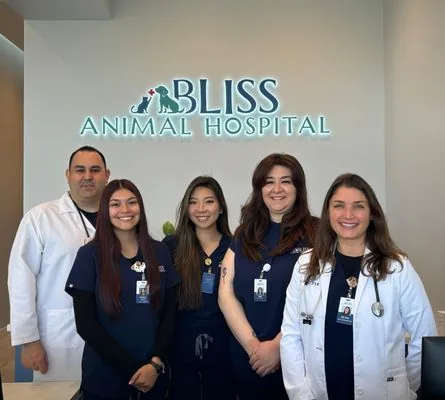
Our team, led by Dr. Nayara Pataro and Dr. Sam Amirshahi, is dedicated to providing compassionate, top-rated care right here in South Orange County. With a strong emphasis on relationships and personalized veterinary care, we’re here to support you and your pet’s health and happiness. If you’re looking for convenient, high-quality care nearby, check out our veterinarian services in Lake Forest, CA and surrounding areas like Veterinarian near Mission Viejo, CA, Irvine, CA Veterinarian (Great Park and Portola Springs) and vet near Rancho Santa Margarita, CA.

















Leave A Comment