
Why Is My Dog Itching and Licking Their Paws?
Top 3 Takeaways
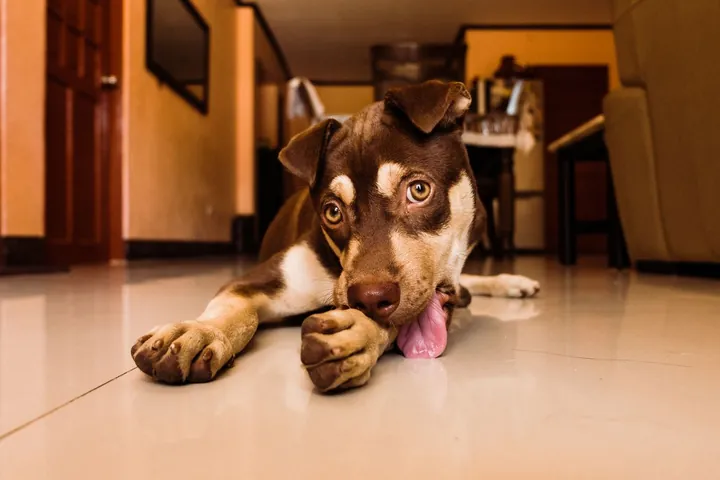
You may first notice the sound at night: your dog repeatedly licking or chewing a paw. Perhaps the fur has turned reddish-brown, the skin between the toes looks pink, or your dog stops during a walk to work at the same foot. Occasional grooming after a walk can be normal. Repeated, focused licking usually means the paw is itchy, irritated, painful, or uncomfortable, and the licking itself can make the problem worse.
The most useful first question is whether one paw or several paws are involved. A sudden problem in one paw raises concern for a local issue such as a cut, torn nail, insect sting, burn, or plant material between the toes. Recurring licking of multiple paws is more consistent with a broader skin problem such as environmental allergy, flea allergy, food-related allergy, parasites, or a secondary bacterial or yeast infection. This article will help you inspect the paws safely, judge urgency, and understand what a veterinarian may check.
When Does Paw Licking Need Veterinary Care?
Contact a veterinarian when licking is persistent, keeps returning, interrupts sleep or normal activity, or causes visible skin change. A same-day call is appropriate for swelling, discharge, odor, bleeding, an open sore, a damaged nail, marked tenderness, or limping. These signs can accompany infection, a foreign body, or an injury that may become harder to treat as the dog continues licking. If your dog suddenly develops facial swelling, hives, repeated vomiting, collapse, or trouble breathing, seek immediate emergency care because those signs can indicate a severe allergic reaction or another emergency.
At Bliss Animal Hospital, urgent care during business hours is intended for non-life-threatening problems that still need prompt attention, including skin allergies, infections, surface wounds, and mild lameness. Call before coming if the paw is acutely painful or worsening so the team can help determine whether an urgent appointment or an emergency hospital is the safer choice.
| What you notice | What it may mean | What to do |
| Brief licking after a walk; skin looks normal | Normal grooming or mild surface irritation | Rinse with lukewarm water, dry well, and monitor. |
| Several paws itch repeatedly; ears or belly may also be affected | Allergic skin disease, parasites, or secondary infection | Arrange a routine visit soon, earlier if skin is red or worsening. |
| One paw suddenly hurts; dog limps or resists handling | Cut, torn nail, sting, burn, or foreign material | Call the same day. Do not dig into the paw or pull deeply embedded material. |
| Red, moist, smelly, greasy, crusted, or draining skin | Bacterial or yeast infection may be present | Prompt examination and skin testing are appropriate. |
| Rapid swelling, facial swelling, breathing difficulty, collapse | Potential severe allergic reaction or other emergency | Go to an emergency veterinary hospital immediately. |
Why Do Dogs Lick and Chew Their Paws?
Dogs lick their paws for many reasons because licking is both a grooming behavior and a response to itch or pain. Veterinarians use the term pruritus for the uncomfortable skin sensation that creates an urge to scratch, bite, rub, or lick. Pruritus is a sign rather than a specific disease. Parasites, infections, and allergies are common categories, but the pattern, timing, and appearance of the paws help narrow the possibilities. A veterinarian also considers whether licking began suddenly, follows outdoor activity, changes with the season, involves one or all paws, or occurs alongside ear infections and other skin lesions.
Environmental allergies and canine atopic dermatitis
Canine atopic dermatitis is a chronic inflammatory skin disease in dogs that are predisposed to react to environmental and other allergens. The paws, face, ears, front legs, armpits, and abdomen are frequently affected. Pollens, grasses, molds, and dust mites may contribute, although visible symptoms do not prove which allergen is responsible. Some dogs flare seasonally, while others itch year-round. The skin may initially look only pink, but repeated licking damages the barrier and creates conditions in which bacteria or yeast can overgrow. Recurring ear trouble together with paw licking is an important clue to mention at the appointment.
Food allergy or an adverse food reaction
A food-related allergy can cause paw licking, ear inflammation, and itch that does not follow a clear season. The appearance alone cannot distinguish food allergy from environmental allergy. Blood, saliva, or hair tests are not dependable substitutes for a properly controlled elimination diet. When food allergy is suspected, a veterinarian may recommend a strict diet trial using a prescription hydrolyzed diet or a carefully selected novel protein diet. Every flavored medication, treat, chew, and table scrap matters during the trial, so changing foods casually for a few days rarely answers the question.
Bacterial or yeast infection
Bacteria and yeast normally live on canine skin in limited numbers. When allergy, moisture, inflammation, or self-trauma weakens the skin barrier, they can multiply and add more itch. Owners may notice odor, greasy skin, brown debris, scaling, bumps, crusts, discharge, or tenderness between the toes. Infection can be the main cause of discomfort or a secondary problem that keeps an allergy flare going. Because bacterial and yeast problems can look alike, treatment is more precise when a veterinarian examines cells from the skin rather than choosing medication by appearance alone.
Parasites, including fleas and mites
Fleas can trigger intense allergic itching in sensitive dogs, even when you do not see live fleas. Mites can also cause significant irritation. The paws may not be the only affected area, so the veterinarian will examine the coat and skin distribution and review parasite prevention. Consistent, veterinarian-recommended flea and tick prevention for every susceptible pet in the household is often part of both diagnosis and management. Do not apply agricultural chemicals, essential oils, or a product labeled for another species. Some products that are safe for dogs can be dangerous to cats sharing the home.
Injury, foreign material, and contact irritation
A one-paw problem deserves special attention. Inspect for a cracked pad, torn nail, blister, insect sting, small cut, burr, splinter, or plant awn between the toes. Southern California dogs may encounter dry grasses and sharp plant material on trails, landscaped areas, and open spaces. Cleaning products, lawn treatments, hot pavement, and rough surfaces can also irritate paw pads. A foreign body can migrate beneath the skin, and aggressive probing may push it deeper. If discomfort continues after a gentle visual check, or if there is swelling or a draining spot, schedule an examination.
Pain or behavior-related licking
Dogs sometimes lick near a painful joint or area even when the surface skin looks normal. Arthritis, a toe injury, or discomfort higher in the limb may be involved. Repetitive licking can also become associated with anxiety, boredom, or a learned habit, but behavioral explanations should come after medical causes have been considered. The veterinarian may assess gait, joints, nails, pads, and neurologic responses before concluding that the behavior is primarily emotional. Video of when the licking happens, especially when your dog is alone or settling at night, can be useful context.
What Can You Check Safely at Home?
Use good light and examine one paw at a time while your dog is calm. Stop if your dog is painful or may bite. Look at the top and underside of the paw, spread the toes gently, inspect each nail and nail bed, and compare the paw with the opposite side. Note redness, moisture, swelling, odor, discharge, crusts, hair loss, or saliva staining. Check whether the pads are cracked or blistered and whether your dog bears weight normally. Take clear photos before cleaning and write down when the licking began, which paws are affected, and whether it follows walks, grooming, meals, or seasonal changes.
For mild surface dirt or possible contact irritation, rinse the paws with lukewarm water or saline and dry carefully, including between the toes. Preventing further licking with a properly fitted Elizabethan collar may protect damaged skin until your dog is seen. Avoid hydrogen peroxide, alcohol, concentrated disinfectants, essential oils, vinegar mixtures, human pain-relief creams, diaper-rash products, and leftover antibiotics or steroids. Dogs can ingest topical products while licking, and some products irritate tissue or obscure the appearance needed for diagnosis.
How Will a Veterinarian Diagnose Itchy Paws?
Diagnosis begins with the history and a full physical and dermatologic examination. The veterinarian evaluates the pattern of lesions, ears, coat, parasite control, diet, seasonality, age at onset, previous treatments, and response to those treatments. The 2023 American Animal Hospital Association allergic skin disease guidelines recommend a minimum dermatologic database after the examination. Depending on the case, this may include skin cytology, flea combing, skin scrapings, and ear cytology when ear disease is present. These relatively focused tests help identify common treatable problems before more specialized allergy work begins.
Skin cytology and related tests
Cytology is the microscopic examination of cells and organisms collected from the skin, often using clear tape, a swab, or an impression from the affected area. It can show whether bacteria, yeast, and inflammatory cells are present. Skin scrapings or hair sampling may help look for mites or fungal disease. If a lump, draining tract, deep swelling, or unusual lesion is present, the veterinarian may recommend culture, needle sampling, biopsy, or imaging. The test selection depends on what the exam reveals, not simply on the fact that the paw is itchy.
Allergy evaluation and diet trials
Atopic dermatitis is a diagnosis of exclusion, meaning other likely causes such as parasites and infection are addressed first. Allergy testing does not by itself diagnose atopic dermatitis. Intradermal or serum testing is most useful after the clinical diagnosis has been made and allergen-specific immunotherapy is being considered. Food allergy requires a strict elimination and challenge process under veterinary direction. This stepwise approach can feel slower than ordering one broad test, but it reduces misleading results and helps match treatment to the actual problem.
Bliss provides pet dermatology and allergy care in Lake Forest and evaluates common signs such as paw chewing, recurrent ear problems, redness, odor, and hair loss. The available testing and treatment plan depend on your dog’s examination findings.
How Are Itchy Paws Treated?
Treatment depends on the cause and often combines several strategies. A foreign body or torn nail requires different care from a yeast infection or chronic allergy. When infection is identified, therapy may include an appropriate topical or oral antimicrobial selected for the organism, depth, and location of disease. Itch relief may be needed to stop self-trauma while the cause is addressed. Allergic dogs may require ongoing management rather than a one-time cure, with flare control, attention to the skin barrier, parasite prevention, and treatment of secondary infections.
Veterinarians may consider medicated shampoos, wipes, mousses, prescription anti-itch medication, antibiotics, antifungal treatment, parasite control, diet trials, or allergen-specific immunotherapy. The exact choice depends on age, other health conditions, infection status, previous response, and the severity of discomfort. Products such as oclacitinib, lokivetmab, corticosteroids, or cyclosporine may be appropriate for some dogs, but each has indications and trade-offs. Do not start, stop, or combine prescription therapies without guidance, and complete rechecks when recommended so the response and skin infection can be reassessed.
How Can You Reduce Future Paw Flares?
Prevention starts with the trigger. After walks, a gentle water rinse and thorough drying may help remove pollen, dust, lawn residue, and surface irritants. Keep nails trimmed, check between the toes after hiking, and avoid hot pavement or recently treated lawns. Use consistent veterinarian-recommended parasite prevention. If booties are used, introduce them gradually, verify that they fit without rubbing, and remove them after activity so moisture does not remain trapped. Wash bedding as directed for your dog’s allergy plan and follow prescribed bathing frequency rather than bathing excessively with harsh shampoo.
For recurring allergic disease, keep a simple flare record including date, weather or season, locations walked, diet deviations, parasite-prevention dates, ear symptoms, medications, and photographs. This record can reveal patterns and helps the veterinarian judge whether a plan is preventing flares or only reacting to them. Rechecks matter because repeated infection may indicate that the underlying allergy is not controlled, the diagnosis needs refinement, or a different long-term plan would better protect the paws and ears.
Frequently Asked Questions
Why are my dog’s paws red between the toes?
Redness between the toes reflects inflammation, but it does not identify the cause. Allergies, yeast or bacterial infection, parasites, moisture, contact irritation, and foreign material are possibilities. Persistent redness, odor, swelling, or discharge warrants an examination.
Why does my dog lick only one paw?
Sudden licking of one paw more often suggests a local problem such as a torn nail, cut, sting, burn, foreign material, or pain in the toe or limb. Check gently, then call if licking or limping continues.
Does a corn-chip smell mean my dog has a yeast infection?
Odor can occur with yeast or bacterial overgrowth, but smell alone cannot confirm the organism. A quick skin cytology lets the veterinarian look for yeast, bacteria, and inflammation and choose treatment more accurately.
Can I give my dog an antihistamine for itchy paws?
Ask your veterinarian first. Antihistamines have variable benefit for canine itch, and combination products may contain dangerous ingredients. The correct plan depends on your dog’s health, other medications, and whether infection, injury, or allergy is present.
Will changing dog food stop paw licking?
A random food switch usually cannot diagnose food allergy. A veterinary elimination diet must be strict and long enough to assess response, followed by a controlled challenge. Treats, flavored medications, chews, and table food can invalidate the trial.
Should I use dog booties for itchy paws?
Booties can reduce contact with heat, rough ground, or outdoor irritants, but poor fit and trapped moisture may worsen irritation. Use them for limited activities, check for rubbing, and remove and dry the paws afterward.
Conclusion
Paw licking is your dog’s way of responding to itch, irritation, or pain. A brief episode with normal skin may settle after a gentle rinse and careful drying. Repeated licking, red or odorous skin, swelling, discharge, a damaged nail, or limping deserves veterinary attention because allergies, infection, parasites, and injuries often overlap. The sooner the itch-lick cycle is interrupted, the easier it is to protect the skin and restore comfort.
If your dog’s paws are persistently itchy, sore, or changing, request a dermatology appointment with Bliss Animal Hospital in Lake Forest or call (949) 354-5201. For sudden non-life-threatening paw pain, wounds, or mild limping during business hours, ask whether urgent care is appropriate. Breathing difficulty, collapse, severe bleeding, or rapidly progressing facial swelling requires an emergency veterinary hospital.
Dog Skin and Paw Care Services in Orange County, CA
Bliss Animal Hospital is located in Lake Forest and serves dog owners throughout nearby South Orange County communities. The following verified dermatology pages match this article’s skin and allergy topic:
About Bliss Animal Hospital
Our team, led by Dr. Nayara Pataro and Dr. Sam Amirshahi, is dedicated to providing compassionate, top-rated care right here in South Orange County. With a strong emphasis on relationships and personalized veterinary care, we’re here to support you and your pet’s health and happiness. If you’re looking for convenient, high-quality care nearby, check out our veterinarian services in Lake Forest, CA and surrounding areas like Veterinarian near Mission Viejo, CA, Irvine, CA Veterinarian (Great Park and Portola Springs) and vet near Rancho Santa Margarita, CA.



















Leave A Comment