
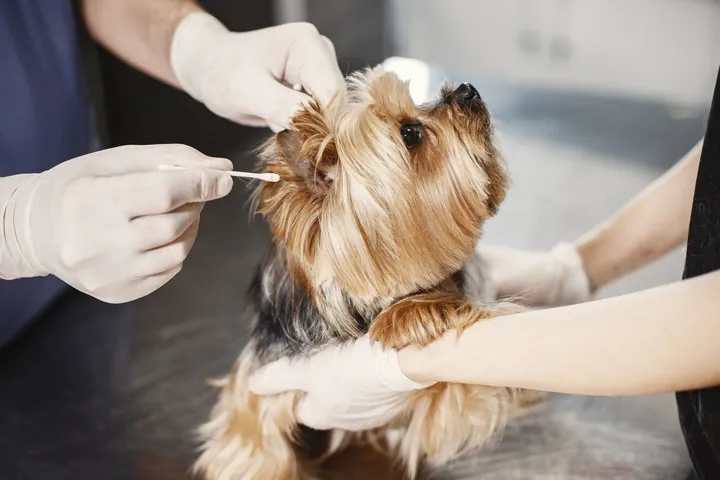
Why Does My Dog Keep Getting Ear Infections?
Top 3 Takeaways
Introduction
Your dog finishes treatment for an ear infection, seems comfortable for a few weeks, and then the head shaking, scratching, odor, or discharge returns. Repeated ear infections are frustrating, but recurrence usually has an explanation. In many dogs, yeast or bacteria are the immediate problem, while an allergy, trapped moisture, ear anatomy, a foreign object, or chronic inflammation keeps creating the conditions for another flare-up.
The key is to treat both parts of the problem: the organisms and inflammation present today, and the underlying reason the ear keeps becoming unhealthy. This guide explains what recurring ear infections mean, what your veterinarian may check, which warning signs should prompt faster care, and how a long-term prevention plan can reduce painful relapses.
Why do dog ear infections keep coming back?
Recurring ear infections usually mean that the ear canal has an unresolved primary problem or a factor that allows inflammation to persist. Veterinarians call inflammation of the outer ear canal otitis externa. Bacteria and yeast often multiply after the canal becomes inflamed, moist, narrowed, or filled with excess wax. Medication may clear that overgrowth, but the infection can return if the original trigger remains active.
Allergic skin disease is a common underlying trigger. Environmental allergies and food-related reactions can inflame the skin lining the ears even when the rest of the coat looks fairly normal. Other dogs are predisposed by floppy pinnae, narrow canals, heavy hair, frequent swimming, or previous inflammation that has thickened the canal. A single-ear problem may raise different questions, including a grass awn, polyp, mass, or localized middle-ear disease.
A recurrence is not necessarily evidence that the previous medicine was wrong. The medication may have controlled the organisms identified at that visit while the underlying allergy, moisture exposure, anatomy, or chronic tissue change continued. That is why repeated treatment without reassessing the ear can lead to shorter periods of relief.
Related Bliss resource: Why Is My Dog Scratching So Much?
What signs suggest another ear infection?
Early signs are often behavioral. Your dog may shake the head, scratch one ear, rub the face on furniture, hold one ear differently, or resist having the head touched. As inflammation progresses, you may notice redness, swelling, odor, increased wax, or yellow, brown, black, or bloody discharge. These observations tell you that the ear is uncomfortable, but they do not identify the organism or confirm whether the eardrum is intact.
Color and odor alone cannot reliably distinguish yeast from bacteria, mites, or a mixed infection. Dark material can have several causes, and more than one organism may be present. Because an inflamed ear can become painful quickly, schedule an examination rather than trying leftover drops or a home remedy. The wrong cleaner or medication can irritate the canal, interfere with testing, or be unsafe when the eardrum is damaged.
| What you notice | What it may mean | What to do |
| Mild head shaking, scratching, odor, or wax | Early canal inflammation or microbial overgrowth; appearance alone does not identify the cause | Schedule a veterinary examination promptly |
| Marked pain, swollen canal or ear flap, bloody or pus-like discharge | Severe inflammation, self-trauma, hematoma, foreign material, or deeper disease may be present | Call for same-day veterinary care |
| Loss of balance, falling, circling, abnormal eye movements, facial droop | Possible middle/inner-ear or neurologic involvement | Seek immediate emergency evaluation |
When is an ear problem routine, urgent, or an emergency?
Most uncomplicated ear infections need a prompt veterinary appointment, even though they are not life-threatening. Earlier treatment can reduce pain and may prevent the canal from becoming more swollen and difficult to examine. Call the same day when your dog has marked pain, rapidly increasing swelling, bloody or pus-like discharge, a swollen ear flap, or symptoms that worsen despite prescribed treatment.
Seek immediate emergency care if your dog develops loss of balance, falling, circling, abnormal eye movements, facial drooping, sudden hearing changes, collapse, or severe disorientation. These signs can be associated with middle- or inner-ear involvement or another neurologic problem and should not wait for a routine visit. Bliss Animal Hospital provides urgent care during business hours. For severe neurologic signs or distress when Bliss is closed, contact an emergency veterinary hospital.
Learn about pet urgent care near Tustin
What causes recurrent ear infections in dogs?
A useful way to understand recurring otitis is to separate the primary cause from the secondary infection and the factors that keep the canal unhealthy. Your veterinarian may investigate several categories at the same time because many dogs have more than one contributor.
Allergies. Environmental atopic dermatitis or an adverse food reaction can inflame the ears. Some dogs show paw licking, facial rubbing, belly redness, or seasonal itching at the same time, while others first show repeated ear problems. Long-term control may require a broader allergy plan rather than ear medication alone.
Moisture and ear anatomy. Swimming, bathing, humidity, pendulous ear flaps, narrow canals, and abundant hair can reduce airflow or trap moisture and debris. These features increase risk, but they do not mean every dog with floppy ears needs frequent cleaning. Overcleaning can also irritate the canal.
Foreign material, parasites, or growths. A foxtail or other plant awn can cause a sudden, painful, one-sided problem. Ear mites are more common in puppies and dogs with relevant exposure. Polyps, glandular changes, or tumors are less common but become more important when inflammation is persistently one-sided or does not respond as expected.
Chronic canal changes. Repeated inflammation can thicken and narrow the canal, increase glandular secretions, and create folds where medication and cleaner do not reach well. In advanced cases, mineralization or middle-ear disease can make medical control difficult and may require imaging, referral, or surgical discussion.
Systemic or skin disease. Endocrine disorders and keratinization disorders are less common explanations, but they may be considered when ear disease occurs with recurrent skin infections, coat changes, weight changes, or other clinical signs.
How will a veterinarian find the reason?
A complete evaluation looks beyond visible discharge. The veterinarian will ask when the problem began, whether one or both ears are involved, what treatments were used, whether your dog swims, and whether itching occurs elsewhere. A skin and general physical examination can reveal allergy patterns, parasites, hormonal clues, pain, or changes caused by scratching.
An otoscope allows the veterinarian to examine the vertical and horizontal portions of the canal as far as swelling and debris permit. The goal is to look for redness, narrowing, foreign material, masses, parasites, and the condition of the eardrum. A very painful or obstructed ear may require sedation or a later recheck after inflammation improves. Forcing an examination in a painful ear can distress the dog and still provide an incomplete view.
Ear cytology is a microscope examination of material collected from the canal. It helps identify and estimate yeast, cocci-shaped bacteria, rod-shaped bacteria, and inflammatory cells. Cytology guides medication selection and gives the team a baseline for follow-up. Culture and susceptibility testing may be recommended for severe, recurrent, rod-dominated, or poorly responsive infections, but it does not replace cytology and an ear examination.
Persistent or complicated cases may require repeat cytology, a deep ear flush, allergy evaluation, a strict elimination diet trial, biopsy, or imaging such as CT when middle-ear disease, mineralization, or a mass is suspected. Each test answers a different question, so the plan should be based on the pattern and previous response rather than using every test for every dog.
Explore pet dermatology and allergy care in Lake Forest
How are recurrent dog ear infections treated?
Treatment depends on what the examination and cytology show. Many cases are managed with topical ear medication that combines antimicrobial and anti-inflammatory effects. The exact product, frequency, and duration vary because yeast, cocci, rods, parasites, eardrum status, pain, and canal narrowing can require different approaches. Oral medication is not automatically better and is generally reserved for selected cases.
Cleaning matters when wax or discharge prevents medication from contacting the canal, but cleaning must match the condition of the ear. Some dogs need a veterinarian-performed flush, occasionally with sedation or anesthesia, before home medication can work well. Do not put hydrogen peroxide, rubbing alcohol, vinegar mixtures, essential oils, or leftover prescriptions into a painful ear unless your veterinarian specifically directs you to do so.
Technique affects results. Your veterinary team may show you how to lift the ear flap, apply the prescribed amount, gently massage the base of the ear when appropriate, and allow your dog to shake. If your dog becomes fearful or tries to bite, stop and call. A different formulation, in-clinic treatment, pain control, or a handling plan may be safer than forcing medication.
A recheck is often essential even when the ear looks better. Redness and odor may improve before cytology returns to an acceptable level. At the recheck, the veterinarian can confirm whether organisms and inflammation have resolved, whether the eardrum can now be seen, and whether the prevention plan needs adjustment.
What can you safely do at home?
Follow the prescribed schedule and use only the cleaner and medication recommended for your dog’s current ear condition. Keep the nozzle at the ear opening rather than inserting it deeply. Wash your hands between ears when directed, and ask whether the unaffected ear needs any care. If doses are missed or the bottle runs out, contact the hospital instead of substituting an old product.
Keep the ears dry during treatment unless your veterinarian says otherwise. Pause swimming and protect the canal from bathwater. An Elizabethan collar may be needed if scratching is causing wounds or an ear-flap hematoma. Watch for increasing pain, swelling, vomiting, imbalance, facial changes, or a sudden decline in hearing, and report these promptly.
Do not use cotton-tipped swabs deep in the canal. They can push debris farther into the L-shaped canal and may injure sensitive tissue. Also avoid routine plucking of ear hair unless your veterinarian recommends it for this dog. Aggressive plucking may inflame the canal, while selected dogs with obstructive hair may benefit from carefully managed grooming.
How can future infections be prevented?
Prevention should be individualized. A dog with allergy-driven otitis needs control of the allergy and regular skin monitoring. A swimmer may benefit from a veterinarian-approved drying or maintenance cleaner after water exposure, provided the eardrum is healthy and the product is appropriate. A dog with a narrowed canal may require scheduled rechecks and more intensive maintenance.
Check your dog’s ears weekly for a change in odor, color, wax, comfort, or behavior. A healthy ear is generally comfortable, without marked redness, swelling, heavy debris, or a strong smell. Weekly observation does not necessarily mean weekly cleaning. Clean only at the interval and with the product your veterinarian recommends because excessive cleaning can disrupt the canal and contribute to inflammation.
Track patterns. Note whether flares follow swimming, grooming, seasonal pollen, a dietary change, or worsening paw and skin symptoms. Photos of the outer ear and a short symptom log can help, but do not delay care while collecting information. For dogs with recurrent infections, planned rechecks before a predictable allergy season may allow earlier intervention.
What is the outlook for a dog with recurring ear infections?
Most dogs can become comfortable when the current infection is treated and the underlying contributors are identified and managed. Allergies and anatomic predispositions may require ongoing maintenance rather than a permanent one-time cure. The goal is longer periods without pain, fewer severe flares, and treatment early enough to prevent permanent canal changes.
The outlook becomes more guarded when chronic inflammation has caused severe narrowing, fibrosis, mineralization, a resistant infection, or middle-ear disease. These dogs may need advanced imaging, a veterinary dermatologist, or surgical consultation. Early investigation of repeated episodes offers the best chance to preserve canal health and hearing.
Related Bliss resource: Dog ear hematoma surgery and recovery
Frequently Asked Questions
Can a dog ear infection go away on its own?
A mild-looking ear problem should not be assumed to resolve on its own. Ear inflammation can worsen beneath visible wax, and treatment depends on the cause and eardrum status. Arrange an examination when signs persist or recur.
Are recurring ear infections usually caused by food allergies?
Food allergy is one possible cause, but environmental allergy is also common and many other factors can contribute. A veterinarian may recommend a strict elimination diet trial when the history and examination support it.
Can I use leftover ear drops from the last infection?
Do not use leftover drops unless your veterinarian confirms they are appropriate. The organisms, eardrum status, and medication expiration may differ, and some products can be unsafe or ineffective in the current episode.
How often should I clean my dog’s ears?
There is no universal schedule. Some dogs need only observation, while others benefit from a veterinarian-directed maintenance plan. Cleaning too often or using the wrong product can irritate the canal and increase inflammation.
Why does only one ear keep getting infected?
A recurring one-sided problem can still involve allergy, but it raises concern for a local factor such as a foreign body, mass, abnormal canal anatomy, or middle-ear disease. A thorough otoscopic examination is important.
Conclusion
When a dog keeps getting ear infections, the most useful next step is not another round of guesswork. A veterinary examination, otoscopy, and cytology can identify the current problem, while the history and skin evaluation help uncover the reason it returns. Treating both levels of disease protects comfort and may prevent chronic narrowing and deeper ear complications.
If your dog is shaking, scratching, painful, or developing recurrent odor or discharge, request a dermatology and ear evaluation with Bliss Animal Hospital in Lake Forest or call (949) 354-5201. For severe balance or neurologic signs outside business hours, seek an emergency veterinary hospital immediately.
Dog Ear Infection and Dermatology Services in Orange County, CA
Bliss Animal Hospital is located in Lake Forest and serves dogs from nearby South Orange County communities. The following verified service pages provide location-specific information:
About Bliss Animal Hospital
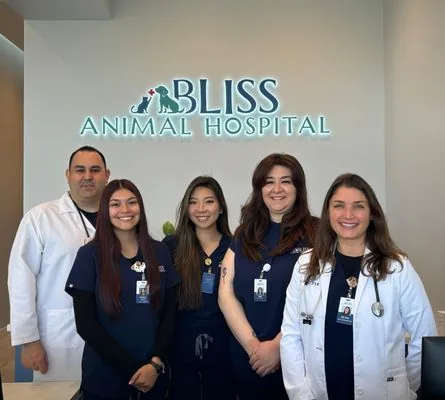
Our team, led by Dr. Nayara Pataro and Dr. Sam Amirshahi, is dedicated to providing compassionate, top-rated care right here in South Orange County. With a strong emphasis on relationships and personalized veterinary care, we’re here to support you and your pet’s health and happiness. If you’re looking for convenient, high-quality care nearby, check out our veterinarian services in Lake Forest, CA and surrounding areas like Veterinarian near Mission Viejo, CA, Irvine, CA Veterinarian (Great Park and Portola Springs) and vet near Rancho Santa Margarita, CA.

















Leave A Comment