
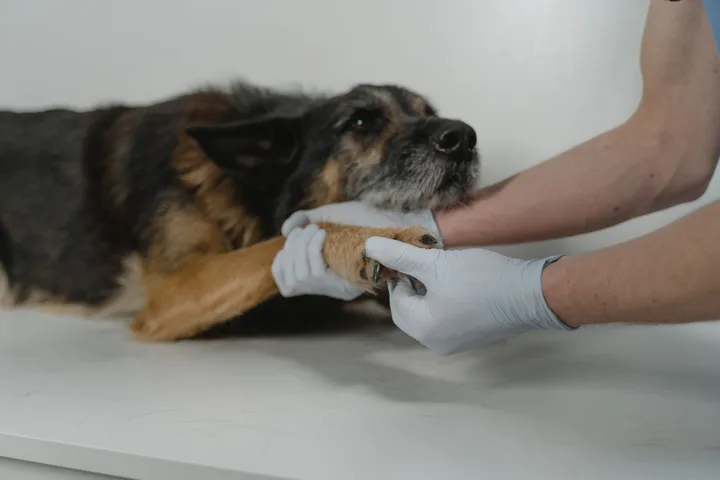
Why Is My Dog Limping? When to Wait and When to See a Veterinarian
Top 3 Takeaways
Introduction
Your dog jumps off the couch, comes back from a walk, or gets up after a nap and suddenly favors one leg. The first question is usually simple: can this wait, or does my dog need a veterinarian now? The safest answer depends less on guessing the exact injury and more on what your dog can do, how much pain you see, whether there was trauma, and whether other warning signs are present. Limping, also called lameness, means a dog is not using one or more limbs normally because of pain, weakness, or a mechanical or neurologic problem. Causes range from a torn nail or minor strain to a ligament injury, fracture, joint disease, infection, spinal problem, or bone tumor. This guide explains how to assess urgency without trying to diagnose the problem at home, what you can safely check, when a brief period of rest may be reasonable, and what a veterinary visit may involve. If your dog is in severe distress, cannot stand, was hit by a vehicle, or has an obviously abnormal limb, skip home monitoring and seek immediate veterinary care.
When Is a Limping Dog an Emergency?
Seek immediate veterinary care when the limp follows significant trauma or appears with signs that suggest a fracture, dislocation, spinal injury, severe bleeding, shock, or uncontrolled pain. A dog who holds a leg completely off the ground is not automatically experiencing a life-threatening emergency, but complete refusal to bear weight deserves prompt assessment, especially when it begins suddenly. The urgency rises further if the limb looks bent, unstable, or out of position; swelling develops quickly; bone or a deep wound is visible; the paw is cold or discolored; or your dog cries, pants, trembles, guards the area, or tries to bite when approached. Problems involving more than one limb, dragging the toes, knuckling over onto the top of a paw, inability to rise, loss of bladder control, collapse, pale gums, breathing difficulty, marked lethargy, or fever also require urgent evaluation because the source may be neurologic or systemic rather than a simple leg strain.
Do not wait after major trauma
A dog struck by a car, injured in a dog fight, dropped from a height, or hurt during a high-speed collision should be examined even if the leg begins to look better. Adrenaline can temporarily mask pain, and chest, abdominal, pelvic, or internal injuries may not be obvious at home. Keep your dog as still as practical, use a blanket or rigid surface as a stretcher if needed, and call the receiving hospital while you are on the way. Do not attempt to straighten a limb or apply a tight homemade splint unless a veterinarian directs you to do so.
Emergency versus same-day urgent care
Bliss Animal Hospital provides urgent veterinary care near Irvine during business hours for conditions such as lameness and mild limping. Life-threatening emergencies, major trauma, paralysis, open fractures, uncontrollable bleeding, or a dog who cannot be safely transported to a daytime clinic should go to an emergency veterinary hospital. Call ahead whenever possible so the team can direct you to the appropriate level of care.
Can You Wait and Watch a Mild Limp?
A short period of home observation may be reasonable when the limp is mild, your dog still places weight on the leg, no major trauma occurred, the limb has no obvious deformity or substantial swelling, and your dog is bright, eating, drinking, breathing normally, and comfortable at rest. In that narrow situation, treat the problem as a possible injury rather than testing whether your dog can “walk it off.” Restrict activity for 24 hours, use short leash walks only for bathroom breaks, and prevent running, jumping, stairs, rough play, furniture access, and slippery-floor scrambling. Improvement should be clear, not merely intermittent. If the limp is unchanged after a day, worsens at any point, returns when normal activity resumes, or repeatedly appears after rest or exercise, arrange an examination. Puppies, senior dogs, dogs with known orthopedic or neurologic disease, and dogs taking medications that may mask pain deserve a lower threshold for calling.
What does “weight-bearing” mean?
A weight-bearing dog still places the affected paw on the ground during at least part of each step, although the stride may be shorter or the dog may shift weight away from it. Toe-touching, hopping, or carrying the limb usually indicates more significant discomfort. Videos taken from the front, back, and side on a nonslip surface can help your veterinary team see an intermittent gait change that may disappear in the exam room. Stop filming if walking increases pain.
Use a clear stop rule
Home monitoring should have a defined endpoint. Call the same day if swelling appears, your dog stops bearing weight, pain increases, appetite or energy declines, the limp shifts between legs, or new weakness, wobbliness, vomiting, fever, or breathing changes develop. Schedule an examination if a mild limp is still present after 24 hours, if it keeps recurring, or if stiffness after rest has become a pattern. A recurring limp may reflect osteoarthritis, a partially injured ligament, kneecap instability, hip or elbow disease, spinal pain, or another condition that benefits from an earlier plan.
Dog Limping Decision Table
| What you notice | What it may mean | What to do |
| Major trauma, obvious deformity, open wound, uncontrolled bleeding, paralysis, collapse, pale gums, or severe distress | Possible fracture, dislocation, spinal injury, internal injury, shock, or another emergency | Go to an emergency veterinary hospital now. Minimize movement and call ahead. |
| Sudden refusal to bear weight, rapid swelling, marked pain, or a deep paw or nail injury | Significant orthopedic or soft-tissue injury, foreign body, fracture, ligament injury, or infection | Call for same-day evaluation. Emergency care may be appropriate if pain is severe or the limb is unstable. |
| Mild weight-bearing limp; no major trauma, swelling, deformity, or systemic signs | Minor paw irritation, bruise, strain, or early joint discomfort are possible, but cannot be confirmed at home | Strict rest and monitor for up to 24 hours. Call sooner if worse and schedule an exam if not clearly improving. |
| Limp that recurs, lasts beyond 24 hours, or is worse after rest or exercise | Osteoarthritis, ligament or tendon disease, kneecap instability, developmental disease, or another ongoing condition | Schedule a veterinary examination rather than repeatedly resting and restarting activity. |
| Limping plus fever, poor appetite, lethargy, multiple sore joints, or shifting-leg lameness | Infection, immune-mediated disease, tick-borne disease, or systemic illness may be contributing | Arrange prompt veterinary evaluation and testing. Do not assume this is a simple strain. |
What Can You Safely Check at Home?
Start by observing rather than manipulating. Watch your dog stand, turn, sit, rise, and take a few slow steps on a nonslip surface. Note which leg appears affected, whether the limp is constant or intermittent, and whether it is worse immediately after rest, after exercise, or at a faster pace. Check the paw only if your dog is calm and the limb can be handled without distress. Look between the toes and pads for a thorn, foxtail, burr, glass, redness, swelling, or a tender spot. Examine the nails for a split, torn quick, bleeding, or a nail caught at an abnormal angle. Check the pad surface for a cut, blister, burn, or abrasion. Southern California trails, dry grasses, hot pavement, and rough outdoor surfaces make paw and interdigital injuries particularly relevant, but a normal paw exam does not rule out pain higher in the limb or in the spine.
When to stop the home examination
Stop if your dog pulls away sharply, vocalizes, pants, trembles, growls, or tries to bite. Pain can change even a gentle dog’s behavior. Do not repeatedly bend and straighten joints, pull on the toes, compare joint looseness, or perform online “drawer tests” for a cruciate ligament tear. These maneuvers can worsen pain, are difficult to interpret without training, and may require muscle relaxation or sedation for an accurate veterinary assessment.
What information should you record?
Write down when the limp began, what your dog was doing beforehand, whether there was a fall or collision, which leg seems affected, whether the paw touches the ground, and what makes the limp better or worse. Note appetite, energy, medications, recent tick exposure or travel, prior orthopedic injuries, and any recent changes in exercise. Bring short videos from several angles. This history helps the veterinarian localize the problem and decide whether imaging, laboratory testing, pain control, or referral is appropriate.
What Are Common Reasons a Dog Starts Limping?
The pattern offers clues, but the same gait change can come from very different structures. Sudden limping commonly begins with a paw injury, torn nail, foreign material between the toes, bruise, muscle strain, sprain, joint injury, fracture, or dislocation. A cranial cruciate ligament injury affects the knee, called the stifle in dogs, and may cause anything from an intermittent hind-leg limp to sudden non-weight-bearing lameness. Patellar luxation, in which the kneecap moves out of its normal groove, may cause brief skipping in some small dogs. Gradual or recurring lameness can reflect osteoarthritis, hip or elbow dysplasia, chronic tendon disease, spinal pain, developmental bone disease, infection, immune-mediated joint inflammation, or cancer. The dog’s age, size, breed, activity, and medical history change the likelihood of each cause, but none of those factors establishes a diagnosis.
Paw, nail, and soft-tissue problems
Paw problems can look dramatic because each step presses on the injured area. A torn nail or embedded foxtail may require removal, wound care, and pain management. Muscle and tendon strains often follow sudden acceleration, slipping, repetitive fetch, or unaccustomed hiking, but a presumed strain should improve with appropriate rest. Persistent pain, swelling, or recurrence deserves investigation because partial ligament injuries and joint problems can mimic a simple strain.
Joint disease and age-related stiffness
Osteoarthritis is a progressive joint condition involving cartilage deterioration, inflammation, pain, and reduced mobility. Owners may notice stiffness after sleep, hesitation on stairs, slower rising, reduced jumping, shortened walks, or a limp that improves after warming up and returns after activity. These signs are not an inevitable part of aging. A veterinary plan may combine weight management, controlled exercise, rehabilitation, environmental changes, medications, and other therapies tailored to the individual dog.
Neurologic and systemic causes
Not every abnormal gait begins in a leg. Spinal cord or nerve disease can cause weakness, scuffing nails, crossing the limbs, knuckling, wobbliness, or dragging. Fever, reduced appetite, lethargy, or pain in multiple joints can suggest infection, immune-mediated disease, or another systemic problem. These patterns warrant prompt evaluation because rest alone does not address the underlying cause.
For a closer look at the conditions behind limping and how each is treated, see our guide to dog limping and lameness causes and treatment.
How Does a Veterinarian Diagnose the Cause of Limping?
The examination begins before anyone touches the sore limb. The veterinarian may watch your dog walk, turn, sit, and rise, looking for changes in stride length, head movement, hip motion, paw placement, and weight shifting. A complete physical examination matters because fever, heart or lung concerns, abdominal pain, muscle loss, enlarged lymph nodes, skin wounds, or neurologic abnormalities can change the diagnostic plan. During the orthopedic examination, the doctor systematically feels the paws, bones, muscles, tendons, and joints, comparing sides for pain, heat, swelling, reduced motion, instability, and muscle asymmetry. A neurologic examination evaluates posture, reflexes, paw positioning, strength, and signs that the spine or nerves may be involved. Painful or anxious dogs sometimes need sedation so the examination and imaging can be performed accurately and with less distress.
When are X-rays or other tests needed?
Radiographs, commonly called X-rays, can identify many fractures, dislocations, bone changes, joint swelling, osteoarthritis, and some bone tumors. They do not show every ligament, tendon, muscle, cartilage, or spinal cord problem. Depending on the examination, a veterinarian may recommend repeat X-rays, musculoskeletal ultrasound, CT, MRI, joint-fluid analysis, or referral to a surgeon, neurologist, or rehabilitation professional. Blood and urine tests may be appropriate when infection, inflammation, tick-borne disease, metabolic illness, or medication safety is a concern. Bliss offers diagnostic imaging and in-house laboratory testing in Lake Forest when these tools fit the patient’s needs.
Why the examination comes before the test
Imaging is most useful when the painful region has been localized. Taking X-rays of the wrong area can miss the problem, and a radiographic change may be incidental rather than the cause of today’s limp. The veterinarian integrates the history, gait, examination, and test results to decide which finding is clinically important and how it should change treatment.
How Is Limping Treated?
Treatment depends on the diagnosis and the dog’s overall health. A superficial paw wound may need cleaning and protection. A torn nail or foreign body may require removal and local treatment. Soft-tissue injuries may need a defined period of restricted activity followed by a gradual return to exercise. Osteoarthritis often requires long-term weight control, consistent low-impact activity, home modifications, veterinary pain management, and sometimes rehabilitation. Fractures, unstable joints, complete ligament tears, or certain developmental problems may need surgery. Infection and immune-mediated disease require targeted medical treatment. The important principle is that pain relief and activity instructions should match the suspected structure and severity. Allowing a dog to resume unrestricted play as soon as medication improves comfort can delay healing or worsen an unstable injury.
Do not give human pain medication
Do not give ibuprofen, naproxen, acetaminophen, aspirin, topical pain creams, or leftover medication unless a veterinarian specifically directs you to use a particular product for this dog. Human medications can cause stomach ulceration, kidney injury, liver injury, bleeding, or dangerous interactions. Even a medication previously prescribed to the same dog may no longer be appropriate if the dog is dehydrated, taking another drug, or has developed kidney, liver, gastrointestinal, or clotting problems.
What does safe rest look like?
Safe rest generally means confinement to a small, nonslip area; leash-only bathroom breaks; no stairs when avoidable; no running, jumping, fetch, or rough play; and assistance getting into vehicles. The duration varies widely. A veterinarian may prescribe a staged return to activity, rehabilitation exercises, or rechecks before normal exercise resumes. Follow the individual plan rather than using a fixed online timeline.
How Can You Reduce the Risk of Future Limping?
Not every injury is preventable, but several practical steps lower risk and make early problems easier to recognize. Keep your dog at a lean, healthy body condition because excess weight increases mechanical load on joints and can complicate osteoarthritis and ligament disease. Build exercise gradually, especially after inactivity, illness, or travel. Regular, controlled walks are usually safer than a pattern of minimal weekday activity followed by intense weekend running. Keep nails trimmed, check paws after trails, avoid hot pavement, use traction runners on slippery floors, and block unsafe jumping when a dog is young, recovering, or already stiff. Conditioning and rehabilitation should match your dog’s age, structure, diagnosis, and goals. For dogs with recurrent limping, a veterinarian may recommend a weight plan, therapeutic exercise, environmental changes, or specialist assessment rather than repeated cycles of rest.
Frequently Asked Questions
Should I massage my dog’s limping leg?
No. Massage may be inappropriate when there is a fracture, acute ligament injury, infection, or severe inflammation. Until the painful structure is identified, restrict activity and avoid forceful manipulation, stretching, or deep pressure.
Can a dog limp without crying?
Yes. Many dogs show pain by shifting weight, shortening a stride, slowing down, resisting stairs, or changing posture rather than vocalizing. A quiet dog can still have a significant orthopedic or neurologic problem.
Why does my dog limp after getting up but improve while walking?
Stiffness after rest can occur with osteoarthritis and other joint or soft-tissue conditions. Improvement after warming up does not make the problem harmless. Recurrent stiffness or limping should be evaluated and managed.
Can I use a cold pack on a mild limp?
A wrapped cold pack may be comfortable for a recent, localized soft-tissue injury, but it should not delay evaluation. Never place ice directly on skin, force treatment, or use heat when the diagnosis is unknown.
What if the limp disappears before the appointment?
Keep the appointment if the limp was severe, recurrent, followed trauma, or involved swelling or neurologic signs. Bring videos and notes. Intermittent problems can still be localized through history, examination, and appropriately selected tests.
Does my dog always need X-rays for limping?
No. The veterinarian first localizes the problem through the history and examination. X-rays are valuable for many bone and joint conditions, while ultrasound, CT, MRI, joint sampling, or laboratory tests may answer different questions.
Conclusion
The practical decision is based on function, pain, trauma, and progression. Immediate care is appropriate for major trauma, deformity, uncontrolled bleeding, paralysis, collapse, severe distress, or other systemic warning signs. A sudden non-weight-bearing limp or rapidly swelling, painful limb deserves same-day assessment. A mild weight-bearing limp in an otherwise comfortable dog may be watched briefly with strict rest, but it should be clearly improving within 24 hours and should not keep returning. Because limping is a sign rather than a diagnosis, an examination is the safest way to distinguish a minor paw problem from a ligament, joint, bone, spinal, infectious, or systemic condition.
If your dog is limping and you are unsure whether it can wait, request an appointment with Bliss Animal Hospital in Lake Forest or call (949) 354-5201. For a sick or injured pet that needs immediate attention, call rather than relying on routine online booking so the team can help direct the appropriate level of care.
Dog Limping and Urgent Veterinary Care in Orange County, CA
Bliss Animal Hospital is located in Lake Forest and serves dog owners throughout South Orange County.
About Bliss Animal Hospital
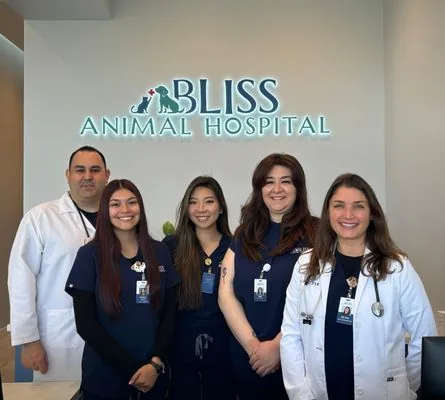
Our team, led by Dr. Nayara Pataro and Dr. Sam Amirshahi, is dedicated to providing compassionate, top-rated care right here in South Orange County. With a strong emphasis on relationships and personalized veterinary care, we’re here to support you and your pet’s health and happiness. If you’re looking for convenient, high-quality care nearby, check out our veterinarian services in Lake Forest, CA and surrounding areas like Veterinarian near Mission Viejo, CA, Irvine, CA Veterinarian (Great Park and Portola Springs) and vet near Rancho Santa Margarita, CA.



















Leave A Comment