
Blood or Mucus in Dog Stool: When Should You Worry?
Top 3 Takeaways
Introduction
Seeing red streaks, jelly-like mucus, or black stool in your dog’s bowel movement can be frightening. The most important question is not simply whether blood or mucus is present. It is how much you see, what the stool looks like, how often it is happening, and whether your dog is otherwise acting normally. A single small streak of fresh blood in an alert adult dog may reflect temporary irritation, while bloody diarrhea with vomiting, weakness, pale gums, or collapse can signal a rapidly developing emergency.
This guide explains what different stool changes may mean, when monitoring may be reasonable, when to call a veterinarian the same day, and when to go directly to an emergency hospital. It also outlines the history, examination, and diagnostic tests a veterinarian may use. Stool appearance alone cannot confirm a diagnosis, so the safest decision depends on your dog’s age, medical history, hydration, appetite, energy, and other symptoms.
When Is Blood or Mucus in Dog Stool an Emergency?
Immediate care is appropriate when bloody or abnormal stool occurs with signs that your dog may be losing blood or fluid, experiencing severe pain, or developing systemic illness. Dogs with acute hemorrhagic diarrhea can become dehydrated quickly, sometimes before dehydration is obvious at home. Puppies, very small dogs, seniors, dogs with chronic disease, and dogs taking medications that affect the stomach or clotting have less margin for delay. If you are unsure whether your dog fits the emergency category, call a veterinary professional and describe the stool and your dog’s behavior clearly.
| What you notice | What it may mean | What to do |
| Large amounts of blood, clots, red jelly-like diarrhea, collapse, pale gums, repeated vomiting, marked weakness, severe abdominal pain, or a swollen belly | Potential severe intestinal inflammation, acute hemorrhagic diarrhea syndrome, obstruction, toxin exposure, clotting problem, or significant blood/fluid loss | Go to an emergency veterinary hospital now. |
| Black, sticky, tar-like stool | Digested blood, called melena, which may come from the stomach or small intestine | Seek urgent veterinary care now, especially if the stool change cannot be explained by a veterinarian-approved product. |
| Blood or diarrhea in an unvaccinated or incompletely vaccinated puppy | Parvovirus or another serious infectious illness must be considered | Call immediately and keep the puppy separated from other dogs while arranging care. |
| Repeated blood or mucus, frequent small stools, straining, reduced appetite, mild lethargy, or symptoms lasting into the next day | Ongoing colon inflammation, parasites, infection, dietary reaction, or another gastrointestinal disorder | Request a same-day appointment or urgent-care assessment. |
| One small streak of bright red blood or a thin mucus coating in a normal-acting adult dog, with no vomiting and normal appetite and drinking | Possible mild lower-bowel irritation or straining | Photograph the stool, monitor closely, and call if it repeats, increases, or any other symptom begins. |
What Do Blood and Mucus in Dog Stool Look Like?
Blood and mucus can look different depending on where irritation or bleeding occurs. Fresh blood from the lower digestive tract often remains bright red because it has not been digested. Blood from higher in the gastrointestinal tract may turn black and tar-like after exposure to digestive enzymes. Mucus may appear as a clear, white, tan, or slightly yellow slippery coating, strings, or jelly-like material. Color is useful, but it is only one clue. Foods, supplements, charcoal, bismuth-containing products, and swallowed material can also change stool color, so tell the veterinary team about everything your dog recently ate or received.
Bright red blood: hematochezia
Hematochezia means fresh, visible red blood in or on the stool. It commonly points to bleeding in the colon, rectum, or anal area. You may see a thin streak on formed stool, drops after straining, blood mixed with mucus, or red liquid diarrhea. Colitis, which means inflammation of the colon, is a common pattern, but parasites, rectal irritation, anal disease, foreign material, masses, and other conditions can appear similar. A tiny one-time streak is different from repeated bloody diarrhea or clots.
Black or tarry stool: melena
Melena is black, sticky, often shiny stool created when blood is digested before it passes. It may indicate bleeding in the stomach or small intestine, although swallowed blood from the mouth or nose can occasionally contribute. Ulcers, toxins, clotting disorders, severe inflammation, and some medications are among the concerns a veterinarian may investigate. Because true melena can represent meaningful internal bleeding, it deserves urgent assessment rather than watchful waiting.
Clear or jelly-like mucus
The colon normally produces mucus to lubricate stool. A visible coating or jelly-like material usually means the colon is irritated and producing more mucus than usual. Dogs with large-bowel diarrhea often pass small amounts frequently, feel urgency, and strain even when little stool remains. Mucus alone does not identify the cause, and mucus mixed with a large amount of red blood should not be dismissed as simple colitis.
What Can Cause Blood or Mucus in a Dog’s Stool?
Many conditions can create the same outward sign, so a veterinarian combines stool appearance with history, physical findings, and targeted testing. Recent garbage eating, a sudden food change, boarding stress, travel, new treats, parasite exposure, medications, and access to toys or toxins all matter. The causes below range from short-lived irritation to potentially life-threatening disease. Do not use the list to diagnose your dog at home. Instead, use it to understand why the veterinary team may recommend different tests for two dogs whose stools look similar.
Colitis, stress, and dietary indiscretion
Colitis often causes urgency, frequent small bowel movements, straining, mucus, and fresh red blood. Triggers may include eating rich food, abrupt diet changes, scavenging, stress, or an imbalance in the intestinal microbial community. Some mild episodes improve with supportive care, but repeated or severe signs can also occur with parasites, immune-mediated inflammation, or other disease. A dog that repeatedly strains should be examined because urinary difficulty, constipation, rectal pain, and colon irritation can look similar from a distance.
Intestinal parasites and infectious disease
Whipworms, hookworms, Giardia, coccidia, and other parasites can cause diarrhea, mucus, blood, weight loss, or intermittent symptoms. A routine fecal test may detect some infections, while antigen or molecular testing may be needed for others. Young or incompletely vaccinated dogs with bloody diarrhea raise particular concern for canine parvovirus, especially when vomiting, poor appetite, fever, or profound lethargy is present. Because infectious causes may spread to other animals, ask the clinic about isolation and safe arrival instructions before entering with a sick puppy.
Acute hemorrhagic diarrhea syndrome
Acute hemorrhagic diarrhea syndrome, often abbreviated AHDS and formerly called hemorrhagic gastroenteritis, can produce sudden, profuse bloody diarrhea and rapid fluid loss. The stool may be described as red jelly or raspberry jam. Some dogs deteriorate quickly and require intravenous fluids, monitoring, and supportive care. The amount of visible blood does not by itself determine severity; circulation, hydration, mental status, vomiting, and response to fluids are central to triage.
Foreign material, obstruction, or injury
Dogs that swallow toys, fabric, bones, corn cobs, or other objects may develop vomiting, appetite loss, abdominal pain, reduced stool production, diarrhea, or blood and mucus. A partial obstruction may still allow some stool to pass, so continued bowel movements do not completely rule it out. Sharp or abrasive material may injure tissue. Repeated vomiting, a painful abdomen, or known ingestion of a foreign object calls for prompt evaluation and often diagnostic imaging.
Chronic intestinal, rectal, or systemic disease
Persistent or recurring blood and mucus may be associated with food-responsive enteropathy, chronic inflammatory enteropathy, colorectal polyps or tumors, anal or rectal disease, pancreatic or liver disorders, clotting abnormalities, or adverse medication effects. Nonsteroidal anti-inflammatory drugs and other medications can contribute to gastrointestinal injury in some patients. Never stop a prescribed medication without veterinary guidance, but report the exact product, dose, and timing promptly if stool changes begin.
What Will a Veterinarian Check?
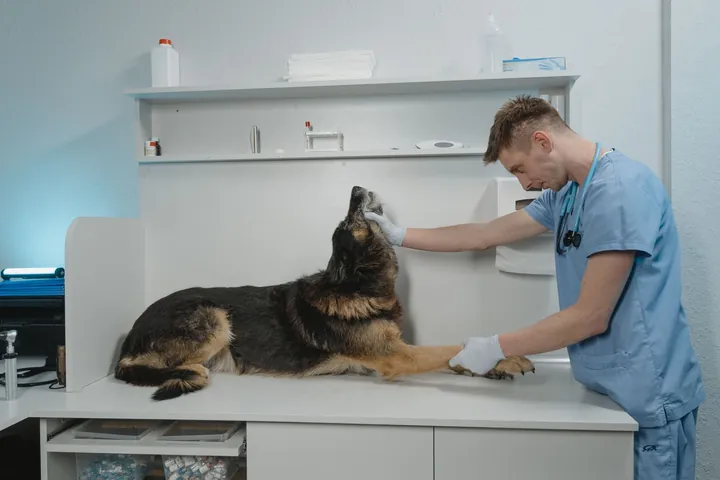
The examination begins with triage: temperature, heart rate, breathing, gum color, hydration, abdominal comfort, body weight, and mental status. The veterinarian may examine the mouth, anus, or rectum and ask whether your dog is straining to defecate or urinate. The goal is to decide whether this is mild lower-bowel irritation, dehydration requiring fluids, a contagious illness, bleeding from higher in the digestive tract, or a problem such as obstruction that needs imaging or hospitalization. Not every dog needs every test. Testing is selected according to age, severity, duration, exposure history, and exam findings.
Fecal testing
A fresh sample can be evaluated for parasite eggs, protozoa, or infectious organisms. Because shedding can be intermittent, a negative result may not exclude every parasite, and additional antigen or molecular testing may be recommended.
Blood tests
A complete blood count can assess red and white blood cells and platelets. A chemistry panel and electrolytes can help evaluate dehydration, protein loss, kidney or liver changes, glucose, and metabolic effects. Packed cell volume and total solids may be used quickly in hemorrhagic diarrhea cases.
Parvovirus testing
A rapid fecal antigen test may be appropriate for puppies or dogs with compatible signs and vaccination risk. Test timing and recent vaccination can affect interpretation, so results are considered together with the examination and bloodwork.
X-rays or ultrasound
Imaging may be recommended when the veterinarian suspects a foreign body, obstruction, mass, intestinal thickening, abdominal fluid, or another structural problem. Ultrasound can add information that routine X-rays cannot show.
Additional testing
Chronic or recurring cases may require diet trials, specialized gastrointestinal blood tests, cultures or molecular panels in selected cases, endoscopy, biopsy, or referral. These decisions depend on the pattern and response to initial care.
What Should You Do Before the Appointment?
Call before arriving if your dog is weak, vomiting repeatedly, a puppy with possible parvovirus, or passing a large amount of blood. The clinic can direct you to urgent care, prepare isolation, or recommend an emergency hospital. Keep your dog quiet, prevent scavenging, and offer access to water unless the veterinary team advises otherwise. Do not force food or water into a nauseated dog, and do not begin a prolonged fast without guidance, especially for puppies, toy breeds, seniors, diabetic dogs, or dogs with other medical conditions.
For more background on duration and dehydration risk, read our guide to dog diarrhea symptoms, causes, and treatment.
How Is Bloody or Mucus-Lined Stool Treated?
Treatment targets the patient’s condition and the suspected cause, not the appearance of the stool alone. A bright, hydrated dog with mild acute diarrhea may need outpatient supportive care and a veterinarian-directed digestible diet. A dehydrated or systemically ill dog may need subcutaneous or intravenous fluids, anti-nausea medication, pain control, monitoring, or hospitalization. Parasites are treated according to the organism and patient. Obstructions, masses, or severe structural disease may require endoscopy or surgery.
Antibiotics are not automatically needed simply because blood is present. Current antimicrobial stewardship guidance recommends against routine antibiotics for many mild and moderate acute diarrhea cases when the dog is otherwise stable and there is no evidence of sepsis or severe inflammatory disease. Avoiding unnecessary antibiotics protects the intestinal microbiome and helps limit antimicrobial resistance. Your veterinarian will decide whether antimicrobial treatment is justified by systemic illness, laboratory findings, immune status, or another specific indication.
Bliss Animal Hospital offers diagnostic imaging and in-house laboratory testing in Lake Forest when these tools are appropriate for a sick pet.
Can You Monitor a Small Amount at Home?
A brief monitoring period may be reasonable only for an otherwise healthy adult dog that has one small streak of bright red blood or a thin mucus coating, remains bright and comfortable, eats and drinks normally, has no vomiting, and has no known toxin or foreign-body exposure. Check every bowel movement, watch water intake and energy, and contact your veterinarian if the abnormality happens again, the amount increases, diarrhea continues, or any new symptom appears. Do not rely on home monitoring for a puppy, medically fragile dog, dog with black stool, or dog with significant bloody diarrhea.
If you call the clinic, be ready to describe gum color, appetite, water intake, vomiting, stool frequency, urination, abdominal comfort, medications, and vaccination status. This information helps the team choose between a routine appointment, same-day urgent care, and immediate emergency referral. Bliss Animal Hospital provides urgent care during business hours for non-life-threatening concerns and can help direct emergency cases appropriately.
Review urgent veterinary care options near Irvine or call before traveling so the team can advise you based on current symptoms.
Frequently Asked Questions
Can stress cause blood and mucus in dog stool?
Yes. Stress can contribute to colitis, producing frequent small stools, urgency, mucus, and fresh red blood. Because parasites, infection, and other disorders can look similar, repeated episodes or any change in behavior should be evaluated.
Why is my dog passing mucus but acting normal?
A small amount of visible mucus may reflect mild colon irritation even when a dog feels well. Monitor closely, photograph the stool, and call your veterinarian if mucus repeats, diarrhea develops, appetite changes, or blood appears.
Is bright red blood less serious than black stool?
Bright red blood often comes from the lower bowel, while black tarry stool suggests digested blood higher in the tract. Black stool is generally more urgent, but heavy or repeated bright-red bleeding can also be an emergency.
Should I bring a stool sample to the veterinarian?
Yes, when it is safe and practical. Bring a fresh sample in a sealed disposable container and ask the clinic about storage. Photos are also helpful because the sample may not fully show the original color or volume.
Can I give my dog an over-the-counter anti-diarrheal?
Do not give an over-the-counter anti-diarrheal unless your veterinarian approves the exact product for your dog. Some medications are unsafe in certain breeds or illnesses and can mask signs of obstruction, infection, or toxin exposure.
How long should I wait if there is only a small streak of blood?
Do not use time alone. If your healthy adult dog is otherwise completely normal, one tiny streak may be monitored closely. Call the same day if it repeats, increases, or occurs with diarrhea, vomiting, pain, or lethargy.
Conclusion
Blood or mucus in dog stool ranges from minor colon irritation to a sign of significant gastrointestinal disease. The safest decision comes from the whole picture: the stool’s color and amount, how often it occurs, and whether your dog is hydrated, comfortable, alert, eating, and free of vomiting. Large-volume blood, black tarry stool, weakness, pale gums, collapse, repeated vomiting, or severe abdominal pain requires immediate emergency care. Repeated milder changes deserve a timely veterinary assessment rather than repeated home treatment.
If your dog is stable but needs prompt evaluation, request urgent veterinary care with Bliss Animal Hospital in Lake Forest or call (949) 354-5201. For collapse, uncontrolled bleeding, severe weakness, or another life-threatening sign, go directly to the nearest emergency veterinary hospital.
Dog Digestive Health Services in Orange County, CA
Bliss Animal Hospital is located in Lake Forest and serves dog owners from Irvine, Rancho Santa Margarita, Mission Viejo, Tustin, Laguna Woods, Laguna Hills, and nearby South Orange County communities.
About Bliss Animal Hospital
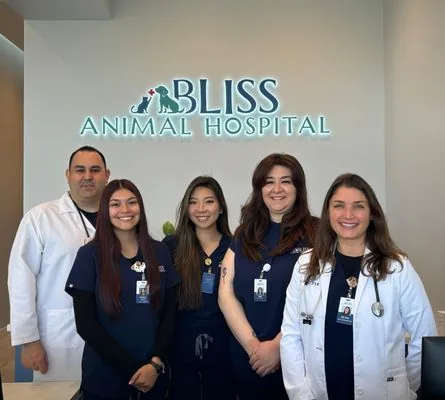
Our team, led by Dr. Nayara Pataro and Dr. Sam Amirshahi, is dedicated to providing compassionate, top-rated care right here in South Orange County. With a strong emphasis on relationships and personalized veterinary care, we’re here to support you and your pet’s health and happiness. If you’re looking for convenient, high-quality care nearby, check out our veterinarian services in Lake Forest, CA and surrounding areas like Veterinarian near Mission Viejo, CA, Irvine, CA Veterinarian (Great Park and Portola Springs) and vet near Rancho Santa Margarita, CA.

















Leave A Comment