
Canine IBD: Why Some Dogs Have Recurring Diarrhea and Poor Appetite
Top 3 Takeaways
Introduction
A dog that improves for a few days and then develops diarrhea, vomiting, stomach noises, or poor appetite again may have more than a simple upset stomach. When gastrointestinal signs continue or keep returning for several weeks, veterinarians use the term chronic enteropathy to describe a group of long-lasting intestinal disorders. Canine inflammatory bowel disease, commonly shortened to canine IBD, is one form of chronic inflammatory enteropathy, but the label should not be applied before other causes have been evaluated. Parasites, food-responsive disease, pancreatic disorders, Addison’s disease, liver or kidney disease, intestinal obstruction, infection, and cancer can produce overlapping signs. Our guide to dog diarrhea symptoms, causes, and treatment explains when a shorter episode becomes concerning. This article focuses on the next question: what happens when the problem is recurrent or persistent? You will learn how veterinarians separate chronic enteropathy from other diseases, why diet trials matter, when vitamin B12 or abdominal ultrasound may be recommended, how anti-nausea and anti-inflammatory medications fit into care, and which changes require urgent attention.
What Is Canine IBD, and Is It the Same as Chronic Enteropathy?
Canine IBD is an inflammatory disorder of the intestinal tract, but current veterinary terminology is more precise than the familiar label suggests. Chronic enteropathy is the broader clinical category for dogs with gastrointestinal signs that persist or recur, commonly for three weeks or longer, after obvious causes have been considered. Dogs may then be classified by treatment response, such as food-responsive enteropathy, immunosuppressant-responsive enteropathy, or another defined subtype. IBD is often reserved for dogs with intestinal inflammation that requires anti-inflammatory or immunosuppressive treatment and may be supported by intestinal biopsy findings.
This distinction matters because two dogs with the same outward symptoms can need very different care. One may improve on a strict hydrolyzed-protein diet. Another may have low cobalamin, also called vitamin B12, and need supplementation. A third may have pancreatic disease, an intestinal mass, a foreign body, or protein-losing enteropathy rather than primary IBD. The diagnosis therefore develops from the pattern of signs, physical examination, laboratory results, imaging, response to well-controlled treatment trials, and sometimes tissue biopsy. A single “IBD panel” does not by itself prove inflammatory bowel disease.
Why the intestine becomes inflamed
Chronic inflammatory enteropathy appears to involve an abnormal interaction among the intestinal immune system, food antigens, the microbiome, genetics, and the intestinal barrier. The microbiome is the community of microorganisms living in the digestive tract. Dysbiosis means that this community and its metabolic activity are disrupted. These concepts help explain why diet, inflammation, and microbial balance are connected, but they do not support one universal probiotic, food, or medication for every dog. Treatment must be matched to the individual response and objective findings.
What Signs Suggest Chronic Enteropathy or Canine IBD?
Recurring diarrhea is common, but it is not the only pattern. Some dogs primarily vomit, lick their lips, swallow repeatedly, eat grass, seem hungry and then walk away from food, or develop intermittent inappetence. Others lose weight despite eating, pass mucus or fresh blood, strain to defecate, or have large volumes of loose stool. Signs may wax and wane, which can create false reassurance when a dog has several good days between episodes. The duration, frequency, trend in body weight, and overall condition are often more informative than one isolated bowel movement.
Small-intestinal disease may produce weight loss, larger stool volume, vomiting, or low blood proteins. Large-intestinal disease more often causes urgency, frequent small stools, straining, mucus, and fresh red blood. Many dogs have mixed signs. Poor appetite may reflect nausea, abdominal discomfort, medication effects, stress, or disease outside the gastrointestinal tract. Because these signs overlap, owners should report the whole pattern instead of assuming each episode is the same flare.
| What you notice | What it may mean | What to do |
| One mild loose stool; normal appetite, water intake, energy, and comfort | Brief dietary or stress-related irritation is possible | Monitor closely and prevent dietary indiscretion. Call if signs repeat, worsen, or another symptom begins. |
| Diarrhea or vomiting that keeps returning over weeks | Chronic enteropathy or another recurring gastrointestinal disorder may be present | Schedule an examination and bring a symptom, diet, medication, and weight history. |
| Poor appetite, weight loss, frequent vomiting, or ongoing diarrhea | Nausea, impaired absorption, inflammation, pancreatic disease, or another systemic problem | Call promptly for an examination and diagnostic plan. |
| Black tarry stool, repeated unproductive retching, severe abdominal pain or swelling, pale gums, collapse, or marked weakness | Potential bleeding, obstruction, bloat, shock, or another emergency | Go to an emergency veterinary hospital now. Do not wait for a routine appointment. |
How Does a Veterinarian Diagnose Chronic Digestive Disease?
Diagnosis is stepwise because chronic gastrointestinal signs have many causes. The veterinarian begins with age, breed, onset, stool pattern, vomiting frequency, appetite, weight trend, travel, scavenging, parasite prevention, previous diet trials, medication exposure, and response to earlier treatments. A complete physical examination assesses hydration, body condition, muscle loss, oral disease, abdominal comfort, masses, fluid accumulation, and evidence of disease outside the intestine. The goal is not to order every test at once. It is to identify urgent problems, rule out important mimics, and choose the next test most likely to change care.
Baseline laboratory and fecal testing
A complete blood count and chemistry panel may identify anemia, inflammation, dehydration, electrolyte changes, liver or kidney abnormalities, abnormal blood proteins, or clues to endocrine disease. Urinalysis can provide complementary information. Fecal testing may look for parasites and Giardia, even when a dog receives prevention, because exposure and test sensitivity vary. Depending on the pattern, the veterinarian may recommend pancreatic lipase testing, trypsin-like immunoreactivity for exocrine pancreatic insufficiency, resting cortisol or an ACTH stimulation test for Addison’s disease, and measurement of cobalamin and folate.
Why vitamin B12 matters
Cobalamin, or vitamin B12, is absorbed in the distal small intestine with help from pancreatic intrinsic factor in dogs. Chronic intestinal or pancreatic disease can reduce absorption. A low level may accompany more significant disease and can contribute to poor appetite, weight loss, and impaired recovery. Supplementation may be given by injection or by mouth depending on the patient and veterinarian’s plan. B12 supports the treatment plan, but it does not replace diagnosis or control of the underlying disease.
What abdominal ultrasound can and cannot show
Abdominal ultrasound can evaluate intestinal wall thickness and layering, stomach and bowel contents, lymph nodes, pancreas, liver, gallbladder, spleen, kidneys, and abdominal fluid. It can help identify an obstruction, mass, pancreatitis, gallbladder disease, or changes that make sampling or referral more important. Ultrasound can support a diagnosis, but it cannot reliably distinguish every form of inflammation from intestinal cancer, and a normal study does not exclude microscopic disease. Bliss Animal Hospital offers diagnostic imaging and in-house laboratory testing in Lake Forest when these tools are appropriate for the patient.
When endoscopy and biopsy may be recommended
Endoscopy allows direct inspection of parts of the stomach and intestine and collection of multiple tissue samples for histopathology. Biopsy may be considered when signs are severe, blood protein is low, imaging is concerning, treatment trials fail, or a more definitive diagnosis will materially change therapy. Endoscopic biopsies sample the inner lining, while surgical full-thickness biopsies reach all intestinal layers but are more invasive. Even biopsy results must be interpreted with clinical findings because inflammation can be patchy and microscopic descriptions do not always identify the cause by themselves.
How Is Canine IBD and Chronic Enteropathy Treated?
Treatment usually begins with the safest intervention most likely to help, then becomes more specific as results and response are assessed. Current consensus guidance places diet at the center of first-line management for many stable dogs with chronic inflammatory enteropathy. Supportive medication may control nausea, vomiting, or acid-related discomfort, but symptom relief should not be mistaken for proof of a diagnosis. Dogs with dehydration, low blood protein, severe weight loss, bleeding, or systemic illness may need faster escalation, hospitalization, specialty consultation, or tissue diagnosis.
A strict therapeutic diet trial
A veterinary diet trial may use hydrolyzed protein, in which proteins are broken into smaller fragments, or a truly novel protein the dog has not previously eaten. Some dogs respond to a highly digestible or fiber-modified diet instead. The trial must be strict enough to interpret. Flavored medications, treats, chews, table food, supplements, shared bowls, and access to another pet’s food can undermine it. Improvement often includes firmer stool, fewer bowel movements, less vomiting, better appetite, and weight stabilization. The veterinarian determines the diet and trial length based on the dog’s condition and nutritional needs.
Probiotics and microbiome-directed support
Probiotics may be used as an adjunct, especially when a veterinarian selects a veterinary product with defined organisms and quality controls. Evidence and formulations vary, so “probiotic” is not one interchangeable treatment. A product that helps one dog may not control another dog’s inflammatory disease. Owners should bring the exact label or a photo of every supplement because ingredients, colony counts, storage requirements, and added flavorings may affect the plan or interfere with a diet trial.
Anti-nausea and stomach-support medications
Maropitant, commonly known as Cerenia, and ondansetron may be prescribed to control vomiting or nausea in appropriate patients. Famotidine reduces stomach acid but is not a general treatment for intestinal inflammation and may not be needed long term. Appetite stimulants may help selected dogs while the cause of inappetence is addressed. These medications can improve comfort, but repeated poor appetite despite anti-nausea treatment is a reason to reassess the diagnosis, hydration, pain, diet, and need for imaging or additional testing.
Corticosteroids and other immune-modifying treatment
Dogs that do not respond adequately to diet, have more severe inflammatory disease, or have biopsy-supported disease may need corticosteroid therapy. Prednisone or prednisolone has systemic effects. Budesonide is designed for greater local activity within the intestine and extensive first-pass metabolism, but it can still cause systemic corticosteroid effects and requires veterinary monitoring. The choice depends on disease severity, concurrent conditions, previous response, laboratory values, and the need for follow-up. Never start, stop, or taper a corticosteroid without the prescribing veterinarian’s direction because abrupt changes can be unsafe and can obscure interpretation of the disease course.
Why antibiotics are not routine treatment for every flare
Antibiotics may be appropriate for specific infections, sepsis risk, or selected conditions, but they are not an automatic treatment for chronic diarrhea. Unnecessary antimicrobial exposure can disrupt the microbiome and contribute to resistance. A dog that temporarily improves while receiving an antibiotic may still have food-responsive or inflammatory disease, and recurrence after treatment should prompt a broader review rather than repeated empirical courses without a clear indication.
How Can You Manage a Suspected Flare-Up at Home?
Home care should follow the established veterinary plan for that dog. Keep the prescribed diet consistent, measure meals, prevent access to trash and other foods, and give medications exactly as labeled. Record stool frequency and appearance, vomiting, appetite, water intake, energy, abdominal comfort, and medication timing. Weigh your dog regularly on the same scale when possible. A written log helps distinguish a brief variation from a worsening trend and gives the veterinarian useful evidence when deciding whether to adjust diet, repeat laboratory work, perform ultrasound, or change medication.
Do not add human anti-diarrheals, bismuth products, pain relievers, antacids, leftover antibiotics, or another pet’s medication without veterinary approval. Do not assume chicken and rice is nutritionally complete for long-term management or appropriate for a dog undergoing a controlled food trial. If your dog refuses food, vomits water, appears painful, or becomes weak, call rather than repeatedly trying new foods and supplements. Frequent unplanned changes make it harder to identify what is helping and can delay treatment for obstruction, pancreatitis, or another urgent disease.
When Should You Call the Veterinarian or Seek Emergency Care?
Arrange a routine or prompt appointment when diarrhea, vomiting, or appetite changes recur, even if your dog seems normal between episodes. Call the same day for repeated vomiting, inability to keep water down, worsening diarrhea, visible blood with reduced energy, refusal of food, noticeable weight loss, dehydration, abdominal discomfort, or a flare in a dog with known chronic disease. Puppies, toy breeds, seniors, diabetic dogs, and dogs with kidney, liver, adrenal, or immune disease can deteriorate faster and deserve a lower threshold for evaluation.
Go directly to an emergency veterinary hospital for collapse, severe weakness, pale or gray gums, black tarry stool, large-volume bleeding, a swollen or very painful abdomen, repeated unproductive retching, trouble standing, or signs of shock. Bliss Animal Hospital provides urgent care during business hours for non-life-threatening problems. If your dog is stable but needs prompt direction, review urgent veterinary care options near Irvine and call (949) 354-5201 before traveling. Life-threatening signs require an emergency hospital with continuous monitoring and hospitalization capability.
What Is the Outlook for a Dog With Chronic Enteropathy?
Many dogs achieve good control when the treatment category is identified and the household can maintain the plan. Food-responsive disease may improve substantially with strict diet management. Other dogs need ongoing medication, cobalamin supplementation, periodic laboratory monitoring, repeated imaging, or specialist care. Relapses can occur after dietary exposure, medication changes, unrelated illness, or without an obvious trigger. The practical goal is durable quality of life: comfortable eating, stable weight, manageable stool, minimal vomiting, normal activity, and the lowest effective treatment burden.
Prognosis is more guarded when a dog has marked weight loss, low albumin, fluid accumulation, severe intestinal architectural change, significant concurrent disease, or poor response to treatment. Regular rechecks matter even when the dog looks better because laboratory abnormalities may improve more slowly than outward signs or may recur before the owner notices a major change. Ask what should be monitored at home, when tests should be repeated, and what result would trigger a change in therapy or referral.
Frequently Asked Questions
Can canine IBD be cured?
Canine chronic inflammatory enteropathy is usually managed rather than considered permanently cured. Some dogs remain well on diet alone, while others need ongoing medication or supplements. Relapses are possible, so follow-up and consistency remain important.
Can a dog with IBD eat chicken and rice?
Chicken and rice may be used briefly in selected situations, but it is not nutritionally complete for long-term feeding and chicken may conflict with a food trial. Follow the therapeutic diet chosen by your veterinarian.
Does a normal ultrasound rule out IBD?
No. Ultrasound can identify structural changes and competing diseases, but microscopic intestinal inflammation may exist despite a normal scan. Clinical response, laboratory findings, and sometimes biopsy are needed to complete the assessment.
Why would my dog need vitamin B12?
Dogs with intestinal or pancreatic disease may not absorb cobalamin normally. Supplementation can correct a deficiency and support appetite, weight, and intestinal recovery, but it should accompany treatment of the underlying disorder.
Is budesonide safer than prednisone for dogs?
Budesonide may have less systemic exposure in some patients, but it is still a corticosteroid and can produce systemic effects. The safer choice depends on the dog’s disease, other conditions, monitoring, and veterinary judgment.
Should I stop medication if my dog loses appetite?
Do not stop or change a prescription without veterinary guidance unless an emergency professional directs you. Call the prescribing veterinarian promptly because poor appetite may reflect the disease, nausea, a side effect, or another condition.
Conclusion
Recurring diarrhea and poor appetite deserve a structured evaluation rather than repeated guesswork. Canine IBD is one possible form of chronic inflammatory enteropathy, but parasites, food-responsive disease, pancreatic disorders, endocrine disease, obstruction, and intestinal cancer can look similar. The most useful next step is to document the pattern, examine the whole dog, rule out important alternatives, and use diet trials, laboratory testing, ultrasound, or biopsy according to what will change care. If your dog has persistent or recurring digestive signs but is stable, request an appointment with Bliss Animal Hospital in Lake Forest or call (949) 354-5201. For collapse, severe weakness, black stool, uncontrolled bleeding, repeated unproductive retching, or a swollen painful abdomen, go directly to an emergency veterinary hospital.
Dog Digestive Health Services in Orange County, CA
Bliss Animal Hospital provides urgent veterinary care during regular business hours for dogs with non-life-threatening but time-sensitive concerns, including persistent vomiting, diarrhea, poor appetite, and gastrointestinal flare-ups. Our hospital is located in Lake Forest and serves pet owners throughout South Orange County. Select your community below to learn more about local urgent care options:
For collapse, severe weakness, pale gums, black or tarry stool, uncontrolled bleeding, repeated unproductive retching, or a swollen and painful abdomen, go directly to an emergency veterinary hospital.
About Bliss Animal Hospital
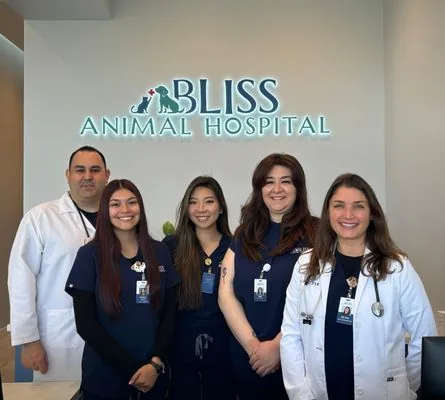
Our team, led by Dr. Nayara Pataro and Dr. Sam Amirshahi, is dedicated to providing compassionate, top-rated care right here in South Orange County. With a strong emphasis on relationships and personalized veterinary care, we’re here to support you and your pet’s health and happiness. If you’re looking for convenient, high-quality care nearby, check out our veterinarian services in Lake Forest, CA and surrounding areas like Veterinarian near Mission Viejo, CA, Irvine, CA Veterinarian (Great Park and Portola Springs) and vet near Rancho Santa Margarita, CA.



















Leave A Comment