
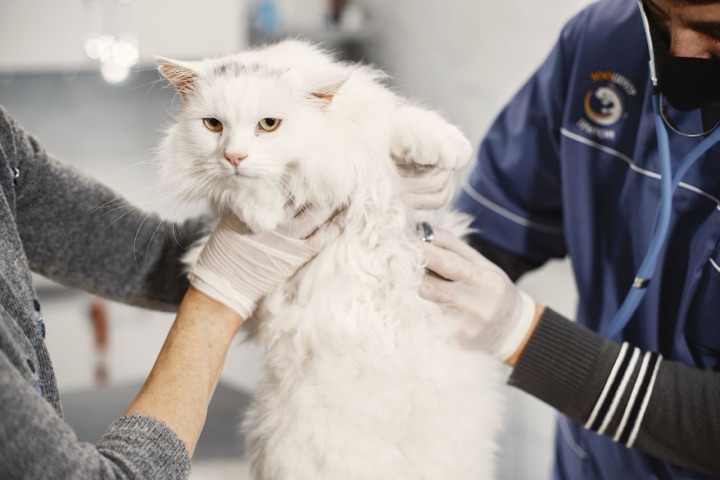
Seven Subtle Signs Your Senior Cat May Be Sick or in Pain
Top 3 Takeaways
Introduction
Your senior cat may still eat breakfast, use the litter box, and greet you at the door, yet something feels different. Perhaps the spine and hips look bonier. Your cat sleeps in a closet instead of on the couch, no longer jumps to a favorite window, or seems less interested in play. These changes are easy to label as aging, but aging itself is not a diagnosis. Weight loss, hiding, lower energy, increased thirst, and reduced mobility can be early signs of disease or pain. Cats are especially skilled at adapting their routines to avoid discomfort, so the first clue may be a small change in what they choose not to do.
This article explains seven changes worth noticing, what they may mean, and what a veterinarian may evaluate. The goal is not to diagnose your cat from one symptom. Several conditions can create the same outward sign, and older cats may have more than one condition at the same time. The safest next step depends on the pattern, speed of change, appetite, breathing, urination, and overall comfort. If your cat is stable but changing gradually, schedule a senior evaluation. If the change is sudden or accompanied by serious warning signs, call promptly. Bliss Animal Hospital offers senior pet care in Lake Forest and same-day or urgent care during business hours when availability permits.
When Is a Senior-Cat Health Change Urgent?
The most important first decision is whether your cat is stable enough for a routine appointment. Gradual weight loss, a slow decline in jumping, or mild changes in interaction generally call for a scheduled examination soon, not months of observation. A same-day call is appropriate when a senior cat stops eating, vomits repeatedly, becomes suddenly weak, seems painful, develops a major change in urination, or declines rapidly. Immediate emergency care is necessary for open-mouth breathing, severe breathing effort, collapse, blue or gray gums, sudden inability to stand, seizures, or repeated straining with little or no urine.
Breathing deserves particular caution. Cats in respiratory distress can worsen with stress and restraint. If your cat is breathing with the mouth open at rest, extending the neck, using the abdomen forcefully, or unable to settle, minimize handling and go directly to an emergency veterinary hospital. Do not delay departure to count breaths, offer food, or give medication. If your cat is breathing comfortably but has a new cough, faster resting respiration, or reduced stamina, call for same-day triage. Bliss can evaluate non-life-threatening concerns through urgent care during business hours when appropriate.
| What you notice | What it may mean | What to do |
| Slow weight loss, less jumping, or more hiding over weeks | Pain, metabolic disease, kidney disease, dental disease, or another chronic problem | Schedule a senior examination soon and bring weight, appetite, water, urine, and activity notes. |
| Refusal to eat, repeated vomiting, rapid decline, sudden blindness, marked weakness, or painful behavior | Significant systemic illness, hypertension-related injury, dehydration, pain, or another urgent problem | Call the same day for veterinary triage. |
| Open-mouth breathing, severe effort, blue or gray gums, collapse, or inability to stand | Respiratory or circulatory emergency | Go to an emergency veterinary hospital now. Minimize handling. |
| Repeated straining with little or no urine | Possible urinary obstruction, especially in a male cat | Seek immediate emergency care. |
1. Is Weight Loss Normal in a Senior Cat?
No. A small fluctuation can occur, but a continuing downward trend deserves investigation even when your cat seems bright and is still eating. Weight loss may reflect loss of body fat, loss of muscle, or both. Age-related muscle loss, called sarcopenia, can make the spine, shoulder blades, and hips more prominent. However, chronic kidney disease, hyperthyroidism, diabetes, intestinal disease, dental pain, cancer, and inadequate calorie intake can produce a similar appearance. A scale trend is often more informative than one visual impression because a dense coat can hide change until it becomes substantial.
Weigh your cat regularly if you can do so safely and consistently. A baby or pet scale is useful, but the same household scale and method can still reveal a trend. Note whether the food portion is actually being finished, whether another pet has access to the bowl, and whether chewing seems uncomfortable. Watch grooming, stool, vomiting, and activity as well. Do not respond to unexplained weight loss only by adding treats. More calories may help some cats, but they will not address an overactive thyroid, kidney disease, diabetes, nausea, or oral pain. A veterinary examination can assess body condition and muscle condition separately and determine which tests are most useful.
Weight loss despite a normal or increased appetite
Weight loss with a normal or stronger appetite raises particular concern for conditions that increase metabolism or prevent nutrients from being used normally. Hyperthyroidism is an important possibility in older cats. Diabetes mellitus, intestinal disease, parasites in selected patients, and some cancers can also cause weight loss despite eating. Appetite alone cannot distinguish them. Tell the veterinarian whether your cat is restless, vocal, vomiting, passing larger stools, drinking more, or showing a faster heartbeat. A total T4 thyroid test is commonly included in the evaluation, but results must be interpreted with the examination and other laboratory findings.
2. What Does Increased Drinking or Urination Mean?
Drinking or urinating more is not simply an inconvenience of aging. It can occur when the kidneys lose their ability to concentrate urine, when blood glucose is elevated, when thyroid disease alters metabolism, or when another hormonal, urinary, or medication-related problem is present. Owners may first notice a larger or heavier litter clump, more frequent box visits, water bowls emptying faster, or a cat seeking faucets and showers. Multi-cat homes make the change harder to measure, so indirect clues matter.
Do not restrict water. A cat producing more urine must be able to replace fluid, and limiting access can worsen dehydration. Instead, note when the change began, whether appetite and weight have changed, and whether the urine volume is truly larger versus the cat making frequent trips and passing only small amounts. Frequent small amounts, straining, blood, crying, or little to no urine can reflect lower urinary tract pain or obstruction and requires prompt triage. Larger urine volume usually points the veterinarian toward a broader metabolic and kidney evaluation. Bloodwork and urinalysis are complementary: blood values show organ and metabolic information, while urine concentration, glucose, protein, blood, cells, crystals, and sediment provide a different part of the picture.
3. Why Is My Old Cat Hiding or Interacting Less?
Hiding is a coping behavior, not a diagnosis. A senior cat may withdraw because of pain, nausea, weakness, sensory decline, cognitive change, household stress, or a desire to avoid being touched. The key question is whether this is your cat’s normal preference or a departure from baseline. A cat who has always slept under the bed but otherwise eats, plays, and seeks attention is different from a social cat who suddenly remains isolated and resists movement.
Observe the whole pattern. Does your cat still come for meals? Is grooming reduced? Does the cat change position comfortably, climb into the litter box, and approach familiar people? Is there new irritability when the back, hips, abdomen, or mouth is touched? Pain may look like withdrawal rather than vocalizing. Nausea may cause a cat to approach food and then walk away. High blood pressure can contribute to disorientation or sudden visual changes. Cognitive dysfunction may alter sleep, vocalization, orientation, and social interaction, but medical causes should be assessed before a behavioral change is attributed to aging of the brain. A short home video of walking, rising, jumping, and interaction can help the veterinary team see behavior that may not occur in the examination room.
4. Is Reduced Energy Just Part of Getting Older?
Some older cats choose more rest, but a meaningful loss of stamina or engagement should be explained rather than accepted. Reduced energy can accompany pain, anemia, kidney disease, heart disease, thyroid disease, infection, cancer, poor nutrition, or medication effects. The distinction between sleeping more and being lethargic matters. A resting cat should still respond normally, move with purpose when motivated, and maintain familiar routines. Lethargy describes reduced responsiveness or willingness to act. If your cat cannot be encouraged to stand, seems weak or unsteady, or declines over hours, call the same day.
Track activities your cat usually chooses: greeting you, following to the kitchen, grooming, climbing to a bed, watching outdoors, or playing briefly. A gradual fall in these behaviors may reveal illness earlier than a dramatic crisis. Also notice whether reduced energy is actually exercise intolerance. A cat who stops after a few steps, breathes faster, or cannot settle comfortably may need assessment of both the lungs and heart. Heart enlargement on an X-ray is a finding that requires interpretation, not a diagnosis by itself. Depending on the examination and imaging, the veterinarian may recommend blood pressure, a cardiac biomarker, chest radiographs, or echocardiography, which is an ultrasound of the heart.
5. Why Is My Senior Cat Hesitating to Jump or Use Stairs?
Reluctance to jump is one of the most useful home clues for feline arthritis, also called degenerative joint disease. Cats rarely announce joint pain with obvious crying. Instead, they redesign their day. They may pause before jumping, use an intermediate surface, pull themselves up with the front legs, descend awkwardly, avoid stairs, stop sleeping in elevated places, groom the back and hips less, or miss the litter box because the entry is uncomfortable. Owners may interpret these changes as laziness or personality, but the movement pattern can reflect pain.
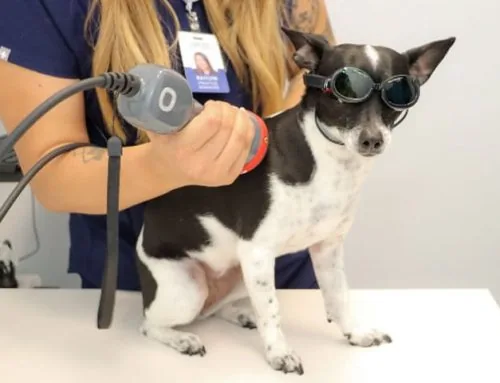
A veterinary mobility assessment may include observing the cat walk, evaluating muscle mass, gently examining joints and the spine, and reviewing videos from home. X-rays can support the diagnosis, but the degree of visible change does not always match the degree of pain. Treatment is individualized and may combine weight management, environmental modification, prescribed medication, joint-support strategies, and selected physical modalities. Never give ibuprofen, naproxen, acetaminophen, or another human pain medicine to a cat. Cats process many medications differently, and common human products can be life-threatening. Bliss provides pain management for dogs and cats in Lake Forest and can discuss a feline-specific plan after examination.
Home changes that can help while you arrange care
6. Which Diseases Can Cause These Senior-Cat Changes?
The same sign can come from different systems, and several diseases often overlap. Hyperthyroidism may cause weight loss, increased appetite, restlessness, vomiting, a rapid heart rate, and sometimes hypertension or cardiac changes. Chronic kidney disease may cause increased thirst and urination, weight or muscle loss, nausea, reduced appetite, dehydration, and anemia as it progresses. Systemic hypertension, meaning persistently high blood pressure, can damage the eyes, brain, kidneys, and heart. Sudden blindness, dilated pupils, disorientation, or neurologic change requires prompt evaluation. Arthritis may primarily change movement and behavior, while heart or respiratory disease may first appear as faster breathing, reduced stamina, or difficulty settling.
These examples are reasons for testing, not conclusions from symptoms. Hyperthyroidism cannot be confirmed from appetite and weight alone. Kidney disease is not diagnosed from one increased creatinine or SDMA value without clinical context and supporting evidence. High blood pressure should be measured carefully and interpreted with stress, repeated readings, and evidence of target-organ effects. The veterinarian builds a problem list from the history, examination, weight and muscle trends, laboratory data, blood pressure, and imaging. That stepwise approach reduces the chance of treating one abnormal number while missing the larger pattern.
7. What Do Senior-Cat Bloodwork and Urinalysis Evaluate?
A senior screening panel creates a medical baseline and looks for patterns that are not visible from the outside. A complete blood count, or CBC, evaluates red blood cells, white blood cells, and platelets. It may reveal anemia, inflammation, infection-related changes, or a platelet concern. A chemistry panel evaluates kidney- and liver-related values, glucose, proteins, electrolytes, and other metabolic measures. Thyroid testing, commonly total T4, helps screen for hyperthyroidism. Depending on the cat and laboratory, symmetric dimethylarginine, or SDMA, may add information about kidney filtration.
Urinalysis measures urine concentration and evaluates pH, protein, glucose, ketones, blood, cells, crystals, and sediment. A urine culture may be recommended when infection is possible, particularly in an older cat or when the urinalysis is inconclusive. Blood pressure is important because hypertension may be silent until it damages the eyes or other organs. The examination also matters: oral disease, thyroid enlargement, a heart murmur or gallop sound, muscle loss, dehydration, joint pain, abdominal findings, and retinal changes can determine which additional tests will change care. Depending on results, imaging may include chest radiographs, abdominal ultrasound, or echocardiography. Learn more about Bliss dog and cat blood testing services and pet diagnostic imaging.
Why Can Earlier Detection Expand Treatment Options?
Earlier detection does not guarantee a cure, but it often provides more choices. A cat identified with early kidney disease may benefit from closer monitoring, hydration and nutrition strategies, blood-pressure assessment, urine-protein evaluation, and treatment matched to the stage and complications. Hyperthyroidism detected before severe weight loss or cardiac effects may allow the family to compare medication, radioactive iodine, surgery, or nutritional management with a clearer understanding of risks and follow-up. Arthritis recognized before major muscle loss may be managed with pain control and environmental changes that help preserve movement. Hypertension treated before extensive eye or neurologic injury may reduce the risk of additional target-organ damage.
Baseline data also makes future change easier to recognize. A laboratory value within a reference interval can still matter if it has moved substantially from that cat’s previous result while weight and urine concentration are also changing. This is why repeated measurements, not isolated numbers, are central to senior care. The plan should fit the individual cat and family. Treatment intensity, monitoring, medication administration, transportation, goals, and quality of life all matter. Early information supports a more deliberate conversation before the cat is in crisis.
What Should I Track at Home Before the Appointment?
A concise home record can make the visit more productive. Record your cat’s weight trend if available, exact food and daily portion, appetite, vomiting, stool, thirst, litter-box changes, medication and supplements, mobility, grooming, and social behavior. Bring short videos of walking, jumping, stairs, coughing, or unusual breathing when recording is safe and does not delay care. Note the date each change began and whether it is stable, intermittent, or worsening.
Do not force exercise, open the mouth, manipulate painful joints, or withhold food and water to “test” the symptom. Ask the hospital whether fasting is needed before laboratory testing because instructions vary with health, medication, age, and planned tests. Bring medication containers or photos of labels. In a multi-cat household, temporary separate feeding and an additional litter box may help identify which cat is eating, drinking, or urinating differently without creating prolonged stress.
Frequently Asked Questions
How often should a senior cat see a veterinarian?
Many senior cats benefit from examinations at least every six months, with more frequent visits for cats over 15 or those with chronic disease. The right interval depends on stability, medication, laboratory trends, blood pressure, and quality-of-life concerns.
Can a senior cat have arthritis without limping?
Yes. Cats often show arthritis through reduced jumping, altered stair use, less grooming, irritability, slower rising, or avoidance of favorite locations. A normal-looking walk does not exclude joint pain, especially when the cat has changed its environment or routine.
Does a normal appetite mean my senior cat is healthy?
No. Hyperthyroidism, diabetes, intestinal disease, and other conditions can cause weight loss despite a normal or increased appetite. Appetite is important, but weight, muscle condition, thirst, urination, vomiting, stool, activity, and examination findings must be considered together.
What if my cat’s bloodwork was normal last year?
Normal prior results are useful as a baseline but do not rule out current disease. Senior-cat health can change between visits, and trends in weight, muscle, urine concentration, blood pressure, thyroid values, kidney markers, and behavior may justify repeat evaluation.
Should I wait if my old cat is hiding but still eating?
Do not wait for appetite loss if hiding is new or persistent. Schedule an examination soon, especially with weight loss, reduced grooming, mobility change, vomiting, or altered thirst. Sudden weakness, breathing difficulty, severe pain, or rapid decline requires urgent care.
Conclusion
Weight loss, hiding, lower energy, increased drinking, and reduced jumping are changes to investigate, not proof that your cat is simply old. The practical decision is based on trend and stability. Gradual change deserves a senior examination soon. Refusal to eat, repeated vomiting, sudden blindness, marked weakness, or rapid decline calls for same-day triage. Open-mouth breathing, severe respiratory effort, collapse, blue or gray gums, or inability to urinate requires immediate emergency care.
If your senior cat is losing weight, hiding, drinking more, or moving differently, request a senior-cat examination with Bliss Animal Hospital in Lake Forest or call (949) 354-5201. Earlier evaluation can identify pain or disease while more management options may still be available.
Senior Cat Veterinary Services in Orange County, CA
Bliss Animal Hospital is located in Lake Forest and serves cat owners throughout nearby South Orange County communities.
About Bliss Animal Hospital
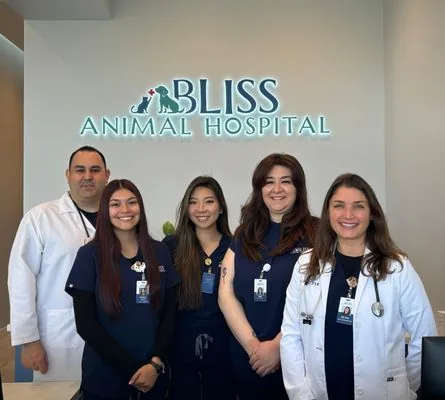
Our team, led by Dr. Nayara Pataro and Dr. Sam Amirshahi, is dedicated to providing compassionate, top-rated care right here in South Orange County. With a strong emphasis on relationships and personalized veterinary care, we’re here to support you and your pet’s health and happiness. If you’re looking for convenient, high-quality care nearby, check out our veterinarian services in Lake Forest, CA and surrounding areas like Veterinarian near Mission Viejo, CA, Irvine, CA Veterinarian (Great Park and Portola Springs) and vet near Rancho Santa Margarita, CA.


















Leave A Comment