
Dog Dental Cleaning: What Happens and Why Are X-Rays Important?
Top 3 Takeaways
Introduction
When your dog’s teeth look brown, the breath smells unpleasant, or the gums appear red, it is natural to think the appointment is mainly about removing tartar. A professional dog dental procedure is more than a cosmetic cleaning. It is a medical evaluation of the teeth, gums, tooth roots, jawbone, and oral tissues, combined with treatment based on what the veterinarian finds. The visible tartar is only one part of the picture. Important disease may be hidden beneath the gumline, and two dogs with similar-looking mouths can need very different care.
A safe plan begins before the cleaning itself. The veterinarian reviews your dog’s history, performs a physical and oral examination, and evaluates whether blood work or additional testing is needed before anesthesia. During the procedure, general anesthesia and airway protection allow the team to clean below the gumline, examine every tooth, measure periodontal pockets, take diagnostic dental X-rays, and treat painful disease. This article explains why each step matters, how periodontal grades are used, what can change the treatment plan, and what to expect before, during, and after your dog’s dental appointment.
Why Is a Doctor’s Examination Important Before Dog Dental Cleaning?
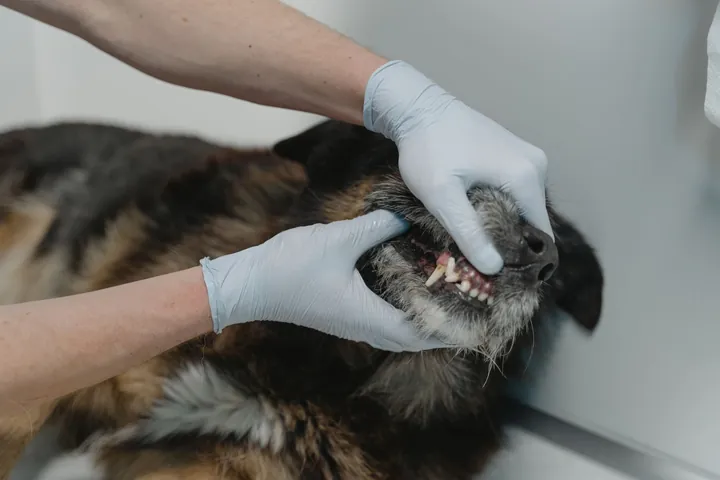
The veterinarian’s examination connects the condition of your dog’s mouth with the health of the whole patient. An awake oral exam may reveal tartar, gingivitis, a fractured tooth, a loose tooth, facial swelling, retained baby teeth, an abnormal bite, or an oral mass. It also gives the veterinarian an opportunity to discuss changes you may have noticed at home, such as dropping food, chewing on one side, avoiding hard toys, pawing at the mouth, drooling, or acting hungry but hesitating to eat. Dogs often continue eating despite oral pain, so normal appetite does not rule out dental disease.
The physical examination also looks beyond the mouth. The doctor listens to the heart and lungs, checks hydration, body condition, temperature and other vital signs, reviews medications and prior anesthetic experiences, and considers age, breed, and diagnosed medical conditions. Findings can change whether the dental procedure proceeds as scheduled, whether additional tests are advisable, and how anesthesia, fluids, monitoring, pain control, and recovery are planned. A heart murmur, respiratory problem, fever, dehydration, or significant change in weight does not automatically prevent dentistry, but it may justify more assessment before anesthesia.
Why the awake oral examination has limits
An awake examination is an important screening step, not the final diagnosis for every tooth. Most dogs will not safely tolerate a periodontal probe being placed around all surfaces of every tooth or a dental X-ray sensor positioned inside the mouth. Tartar can also cover defects, and the gumline hides roots and bone. The veterinarian can provide an initial estimate of disease severity, but the definitive oral assessment occurs under general anesthesia after the mouth has been cleaned, probed, charted, and radiographed. Owners should therefore understand that the anticipated plan may change when hidden disease becomes visible.
Bliss Animal Hospital’s dog teeth cleaning service in Lake Forest describes the clinic’s dental evaluation, anesthetic cleaning, and full-mouth imaging approach.
Why Is Blood Work Recommended Before Dental Anesthesia?
Pre-anesthetic blood work helps the veterinarian assess health factors that cannot be determined from appearance or a physical examination alone. A complete blood count, commonly called a CBC, evaluates red blood cells, white blood cells, and platelets. A chemistry panel evaluates measures related to organs and metabolism, including liver and kidney values, blood glucose, proteins, and electrolytes. The selected panel depends on the patient and the hospital’s protocol. Blood work does not guarantee that anesthesia will be risk-free, but it provides information that helps the doctor identify concerns, individualize the anesthetic plan, and decide whether further evaluation is needed.
For example, anemia may reduce the blood’s oxygen-carrying capacity. An abnormal platelet count can raise questions about clotting. Kidney or liver abnormalities may influence drug selection, fluid planning, or whether the procedure should be postponed while the finding is investigated. Electrolyte or glucose abnormalities can also affect anesthetic decisions. A healthy-looking dog can have an early or unexpected laboratory change, while a dog with a stable chronic condition may still be an appropriate candidate after the veterinarian reviews current results and plans accordingly.
Blood work is one part of anesthetic assessment
Laboratory results are interpreted together with the history and examination. Depending on the dog, the veterinarian may also recommend blood pressure measurement, urinalysis, an electrocardiogram, chest imaging, or consultation with a cardiologist or other specialist. Testing should match the patient rather than relying on age alone. The practical goal is to answer a focused question: what information is needed to proceed as safely as reasonably possible and tailor care to this dog today?
Learn more about dog and cat blood testing services and how laboratory findings support pre-anesthetic planning.
What Happens During a Professional Dog Dental Cleaning?
A complete dental procedure combines assessment and treatment. After the pre-anesthetic plan is confirmed, your dog receives medications chosen for comfort and anesthesia. An endotracheal tube is placed in the airway to deliver oxygen and anesthetic gas and to help protect the lungs from water and debris generated during cleaning. A trained team monitors the patient throughout anesthesia and recovery. The precise sequence varies by hospital and patient, but the major components are consistent.
1. Anesthesia and monitoring: The team establishes anesthesia, airway protection, appropriate IV access and monitoring. Variables may include heart rate and rhythm, oxygen saturation, ventilation, blood pressure, temperature, anesthetic depth, and trends over time.
2. Initial oral assessment: The mouth and oral tissues are inspected systematically. The team looks for fractures, missing or extra teeth, retained baby teeth, masses, ulceration, abnormal wear, mobility, gum recession, and other findings.
3. Scaling above and below the gumline: Plaque and calculus are removed from the visible crowns and, critically, from below the gumline. Cleaning only the visible tooth surface does not treat periodontal disease where it begins.
4. Periodontal probing and dental charting: A probe measures the space around each tooth and identifies pockets, attachment loss, furcation exposure between roots, gingival recession, and abnormal mobility. Findings are recorded tooth by tooth.
5. Full-mouth dental X-rays: Intraoral radiographs show roots, tooth pulp spaces, surrounding bone, unerupted teeth, retained roots, fractures, and other changes that cannot be assessed by sight alone.
6. Veterinarian diagnosis and treatment plan: The doctor combines the examination, probing, charting, and radiographs to diagnose disease. Treatment may be limited to cleaning and polishing, or it may include extraction, oral surgery, additional imaging, sampling of an abnormal tissue, or referral.
7. Polishing, lavage, pain control, and recovery: Polishing smooths microscopic surface irregularities created during scaling. The mouth is rinsed, treatment is completed, recovery is monitored, and discharge instructions are tailored to the procedures performed.
Why Are Full-Mouth Dental X-Rays Important?
Dental X-rays, also called intraoral radiographs, are necessary because much of each tooth lies below the gumline. A crown can look acceptable while the root and surrounding bone show advanced disease. Conversely, a tooth covered with tartar may still have adequate support after cleaning. Radiographs prevent the treatment plan from being based only on what is visible. They also help the veterinarian evaluate missing teeth, since a tooth that appears absent may be unerupted or may have a retained root below the gum.
Radiographs can reveal periodontal bone loss, infection near a root tip, a root fracture, pulp disease, retained root fragments, abnormal development, and changes around an oral mass. They guide whether a tooth can remain comfortable and functional, whether extraction is recommended, and how an extraction should be approached. Pre-extraction images show root shape and nearby anatomy. Post-extraction images can confirm that intended tooth structure has been removed and help document the result. Full-mouth imaging is especially valuable because pain and disease are not always located where the visible tartar is heaviest.
X-rays and diagnosis are different from cleaning
Scaling and polishing remove deposits and leave the tooth surface clean. They do not diagnose root disease or restore bone already lost to periodontitis. X-rays and probing provide the diagnostic information, while the veterinarian’s interpretation determines what treatment is appropriate. This distinction explains why a dental appointment can uncover a need for extractions even when the original concern was simply bad breath or tartar.
What Do Dog Dental Grades Mean?
Veterinary teams may use a dental grade to summarize the apparent severity of disease and anticipate the complexity of a procedure. The terminology is not perfectly uniform between hospitals. Some clinics grade the overall mouth from mild to severe, while formal periodontal staging is assigned to individual teeth. That difference matters because one dog can have mild gingivitis around some teeth and advanced bone loss around others. A preliminary grade from an awake exam is useful for planning and discussing a range, but it should not replace tooth-by-tooth diagnosis under anesthesia.
| Typical level | General description | What may be found | How treatment may change |
| Grade 0 / healthy | No gingivitis or periodontal attachment loss | Little to no plaque or calculus; healthy gingiva | Preventive home care and future reassessment. |
| Grade 1 / gingivitis | Inflammation is present but attachment loss has not been established | Redness, swelling, bleeding with probing, plaque or calculus | Cleaning above and below the gumline, polishing, and a home-care plan may be sufficient if imaging confirms no deeper disease. |
| Grade 2 / early periodontitis | Early loss of periodontal support | Shallow abnormal pockets or early bone loss | More focused subgingival treatment and close follow-up; selected teeth may need additional therapy. |
| Grade 3 / moderate periodontitis | Substantial support loss | Deeper pockets, recession, furcation involvement, mobility, radiographic bone loss | Periodontal therapy or extraction may be recommended for affected teeth, depending on prognosis and available expertise. |
| Grade 4 / advanced periodontitis | Severe attachment and bone loss | Marked mobility, deep pockets, advanced furcation exposure, infection or loss of function | Extraction is commonly recommended when a tooth cannot remain stable and comfortable; treatment and recovery are more involved. |
These descriptions are educational rather than a promise of a particular procedure. Fractured teeth, nonvital teeth, retained roots, oral masses, or developmental abnormalities do not always fit neatly into a periodontal grade. The doctor’s diagnosis and each tooth’s prognosis determine treatment.
How Does the Dental Grade Affect the Procedure and Estimate?
A lower preliminary grade may suggest that the procedure will involve a comprehensive examination, full-mouth X-rays, scaling, polishing, and preventive recommendations. A higher grade increases the likelihood that the veterinarian will identify teeth requiring periodontal treatment or extraction. More advanced disease may require surgical flaps, controlled removal of a small amount of bone, sectioning multi-rooted teeth, sutures, additional pain-control techniques, and a more detailed recovery plan. The time, medications, and complexity therefore depend on what is diagnosed, not only on the amount of tartar visible before anesthesia.
Because the complete diagnosis is made after probing and radiographs, the final plan can differ from the pre-procedure estimate. Good communication prevents surprises. Ask how the hospital handles unexpected findings, whether the team will call before non-routine treatment, what authorization range you are comfortable with, and which phone number should be used during the procedure. If authorization cannot be obtained, treatment may need to be limited or rescheduled, potentially requiring another anesthetic event.
What Oral Diseases Can Be Diagnosed During Dog Dentistry?
A dental visit can identify much more than tartar. Periodontal disease is inflammation and destruction of the tissues that support the teeth, including the gingiva, periodontal ligament, cementum, and alveolar bone. Gingivitis is inflammation confined to the gums and can be reversible when plaque is controlled. Periodontitis includes attachment and bone loss, which are not reversed simply by cleaning the crown. Accurate staging requires probing and radiographic assessment.
How Should You Prepare for Your Dog’s Dental Procedure?
Follow the hospital’s fasting and medication instructions exactly. The appropriate fasting period and whether a medication should be given can vary with age, health status, procedure time, and the medication itself. Do not stop prescription drugs or give sedatives, supplements, or human medications unless the veterinary team instructs you to do so. Tell the team about coughing, vomiting, diarrhea, appetite changes, increased thirst or urination, reduced energy, or any new medication since the pre-dental exam. A meaningful change may justify reassessment before anesthesia.
Confirm your contact information and remain reachable during the procedure. Discuss consent for X-rays, extractions, other treatment, and any financial or treatment boundaries before leaving your dog. Bring relevant records if another hospital diagnosed a heart murmur, chronic disease, or prior anesthetic complication. If your dog is anxious at veterinary visits, ask in advance whether a pre-visit plan is appropriate rather than waiting until the morning of the procedure.
What Should You Expect After Dog Dental Cleaning?
Recovery depends on whether your dog had only cleaning and polishing or also received extractions or oral surgery. Mild sleepiness, a quieter evening, or a temporary decrease in appetite may occur after anesthesia, but the hospital should provide specific discharge guidance for feeding, activity, home care, and medications. If teeth were extracted, the instructions may include soft food for a defined period, avoiding hard chews and toys, protecting oral sutures, and returning for a recheck.
Call the veterinary team if you are uncertain about pain, medication, eating, bleeding, swelling, vomiting, coughing, or recovery behavior. Seek immediate emergency care for difficulty breathing, collapse, uncontrolled bleeding, severe weakness, or another rapidly worsening problem. Do not brush directly over extraction sites or restart hard dental products until the veterinarian says healing is adequate. Long-term prevention may include tooth brushing, Veterinary Oral Health Council accepted products, dental diets, or other options selected for your dog.
Frequently Asked Questions
Can a dog’s dental grade be confirmed while the dog is awake?
Not completely. An awake exam can estimate severity, but definitive staging requires cleaning, tooth-by-tooth probing, charting, and dental X-rays under anesthesia because roots and supporting bone are hidden.
Does every dog need blood work before dental cleaning?
Testing recommendations depend on the patient and clinic protocol. Blood work commonly supports anesthetic planning by evaluating blood cells, organ-related values, glucose, proteins, and electrolytes, but the veterinarian chooses tests based on individual risk.
Why can the extraction plan change after my dog is anesthetized?
Hidden root disease, fractures, deep pockets, and bone loss may appear only after calculus is removed and X-rays are reviewed. The final plan is based on those diagnostic findings, not tartar alone.
Are anesthesia-free dental cleanings equivalent to veterinary dental procedures?
No. They may remove some visible deposits but cannot provide safe full-mouth X-rays, complete subgingival cleaning, probing, charting, or treatment of painful disease. Cosmetic improvement does not establish periodontal health.
Will my dog still be able to eat if teeth are extracted?
Most dogs adapt well after painful, diseased teeth are removed. The immediate diet may be softened while tissues heal. Long-term feeding advice depends on which teeth were treated and your dog’s individual needs.
How often should my dog have professional dental care?
There is no single interval for every dog. Breed, age, crowding, home care, prior disease, and examination findings affect timing. Routine veterinary examinations help determine when another anesthetized dental assessment is appropriate.
Conclusion
A dog dental cleaning should answer two questions: what disease is present, and what treatment will leave the mouth healthier and more comfortable? The doctor’s examination and pre-anesthetic assessment evaluate the patient. Blood work helps identify systemic concerns that may affect anesthesia. General anesthesia permits airway protection and a complete oral procedure. Probing, charting, and full-mouth X-rays reveal the disease that cannot be judged from tartar alone. The dental grade helps organize severity, but the treatment plan is ultimately based on diagnosis and prognosis for each tooth.
If your dog has bad breath, tartar, red gums, a broken tooth, or changes in chewing, request a dental examination with Bliss Animal Hospital in Lake Forest or call (949) 354-5201.
Dog Dental Cleaning Services in Orange County, CA
Bliss Animal Hospital is located in Lake Forest and serves dog owners throughout nearby South Orange County communities.
About Bliss Animal Hospital
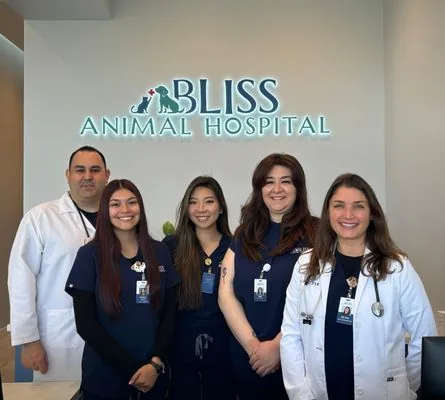
Our team, led by Dr. Nayara Pataro and Dr. Sam Amirshahi, is dedicated to providing compassionate, top-rated care right here in South Orange County. With a strong emphasis on relationships and personalized veterinary care, we’re here to support you and your pet’s health and happiness. If you’re looking for convenient, high-quality care nearby, check out our veterinarian services in Lake Forest, CA and surrounding areas like Veterinarian near Mission Viejo, CA, Irvine, CA Veterinarian (Great Park and Portola Springs) and vet near Rancho Santa Margarita, CA.



















Leave A Comment